

¡Hola profes! How are you doing today? I can’t believe March is already halfway over! Are you having spring weather yet where you are? We are seeing warmer days here in Pennsylvania, and having more daylight hours is definitely putting me in a happy mood!
Does this sound familiar, profes? You’re going over an important concept with your students, presenting a slideshow or writing on the board, and giving examples for your students. Everything seems to be going well, but then, as your students begin to practice the concept, they become confused or are making mistakes. When they ask for help, you realize that they don’t have any notes. Maybe they didn’t take good or complete notes, or perhaps they didn’t write anything down at all, leaving them without anything to reference as they practice the new topic.
I’ve been there too, profes, and it can feel frustrating and disheartening. But the good news is that there are strategies you can use to help your students take better notes and keep them more engaged in the note-taking process!
#1: Provide students with a guided notes outline
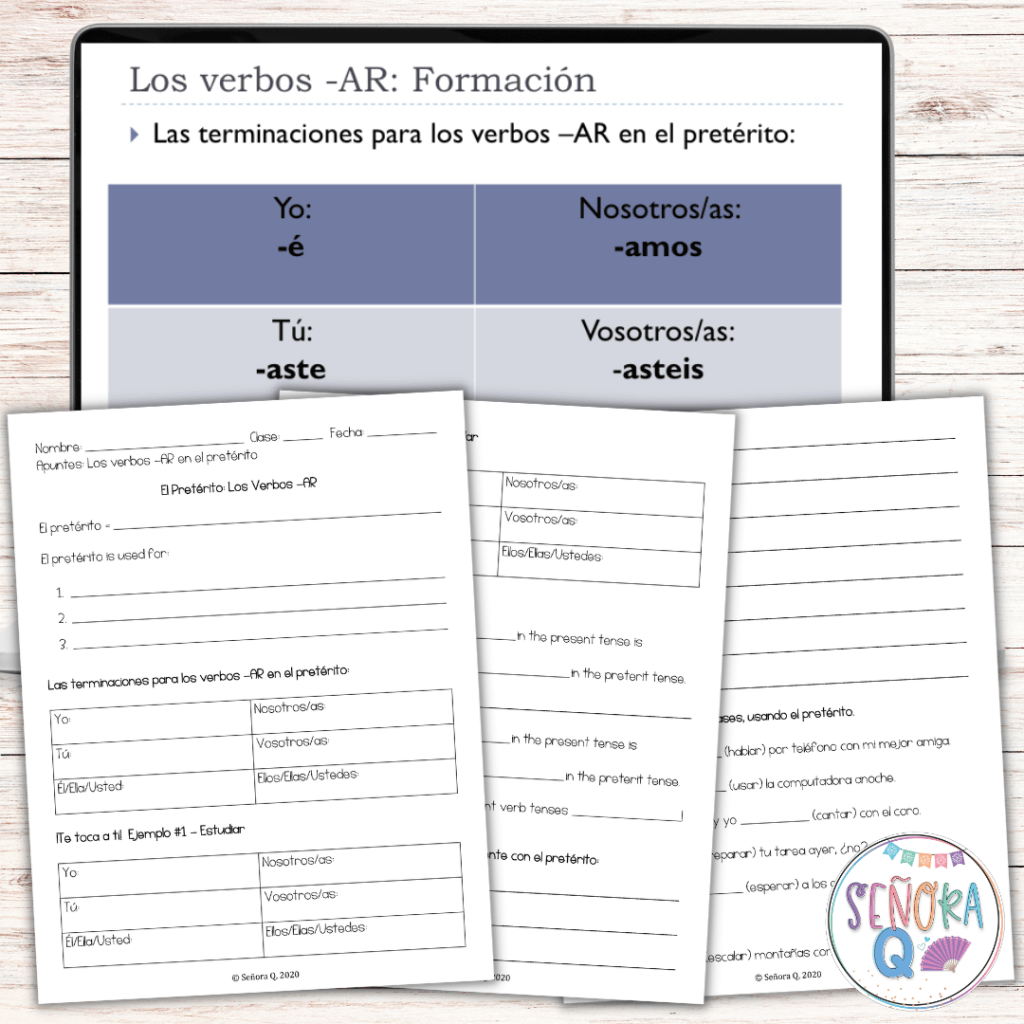
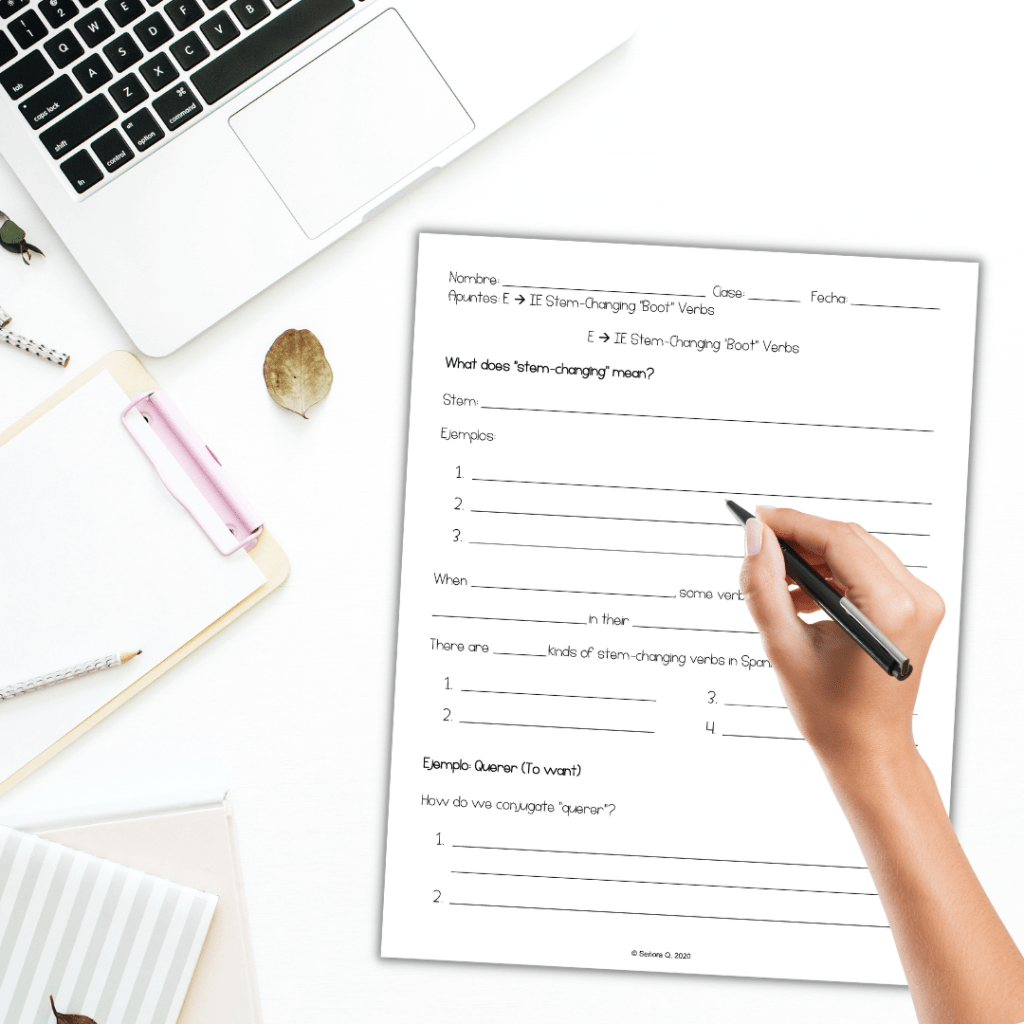
One of the most effective methods I’ve found to support students in their note-taking endeavors is by providing them with guided notes outlines. These outlines serve as scaffolds for students, offering a structured framework to organize key information while allowing room for active engagement during the lesson. I like to pre-fill certain information in the outline, leaving blanks for students to fill in as they follow along. This encourages students to focus on important points rather than transcribing everything verbatim, promoting deeper understanding and critical thinking.
#2: Build in opportunities for guided practice during the note-taking process
Incorporating guided practice opportunities within the note-taking process is crucial in reinforcing learning and promoting mastery of the new content. Instead of passively receiving information, students actively participate in applying newly acquired knowledge through interactive exercises embedded within their notes. For example, I like to include short prompts, questions, or mini-activities within the guided notes outline, prompting students to demonstrate their understanding. This strengthens students’ comprehension and encourages active participation, leading to increased engagement and more meaningful learning experiences.
In addition to keeping students engaged in the note-taking process, guided practice activities also provide valuable information both to me and to the students themselves about how well they are understanding the new topic. If the majority of students are answering the questions appropriately, that’s a good sign that they are comprehending the lesson. On the other hand, if many students are struggling with the guided practice, it means that reteaching may be necessary.
#3: Incorporate visual aids and multi-sensory approaches
Integrating visual aids and multi-sensory approaches into note-taking can increase students’ comprehension and retention. Including images, diagrams, charts, and color-coding techniques can help students visualize concepts, making the new concepts more tangible and memorable. Additionally, incorporating auditory elements such as audios or videos alongside note-taking can cater to diverse learning styles, ensuring that all students are actively engaged and supported in their learning journey. YouTube is an invaluable resource if you’re looking for supplemental videos to showcase new vocabulary or grammar in context!
#4: Provide feedback to students about their notes
Establishing a culture of feedback and support is essential for continuous improvement in note-taking skills. Regularly review and provide feedback on students’ notes, highlighting strengths and areas for growth. You may choose to do a notes check, in which you simply check to see if students have their notes with them on any given day, and that they are completed. If they are not completed, you can have a discussion with students about why they were not completed, what they could do in the future to ensure better note-taking, and ask how you can support students in that endeavor.
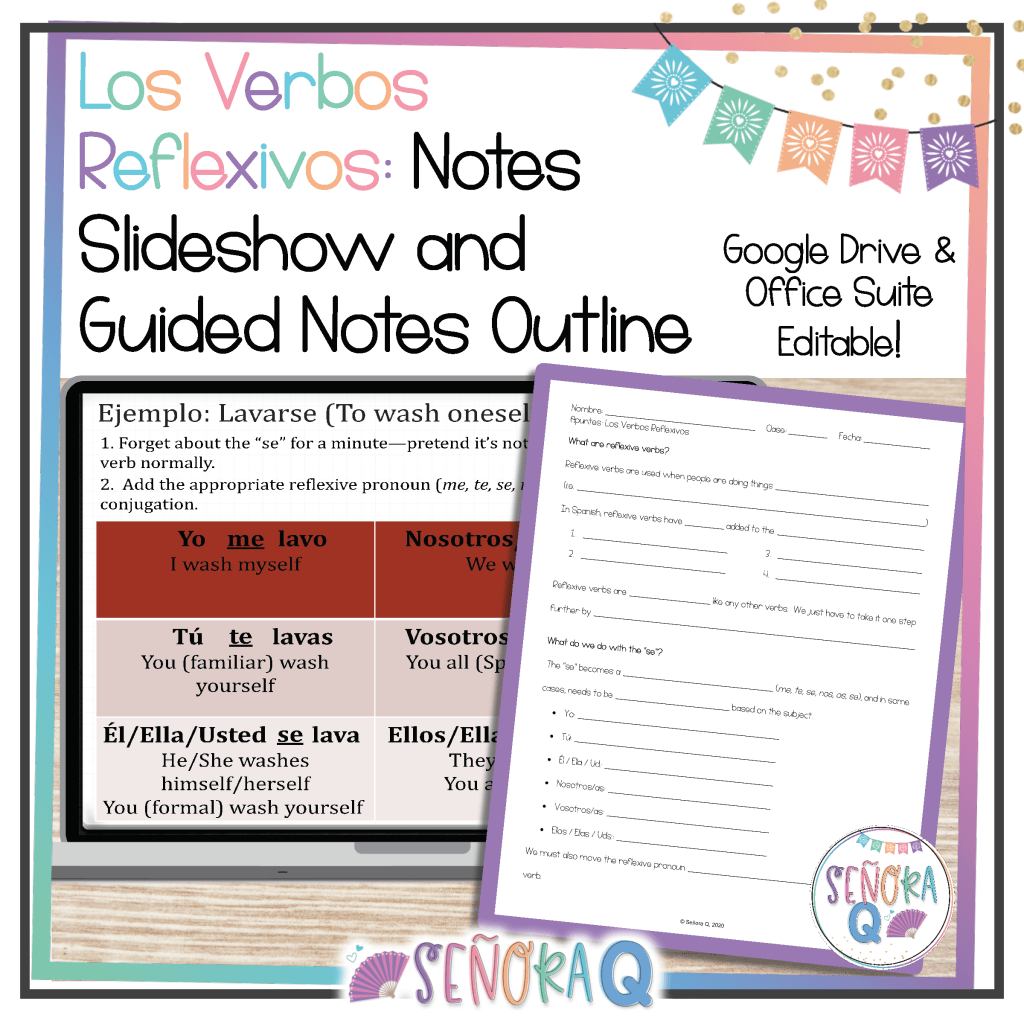
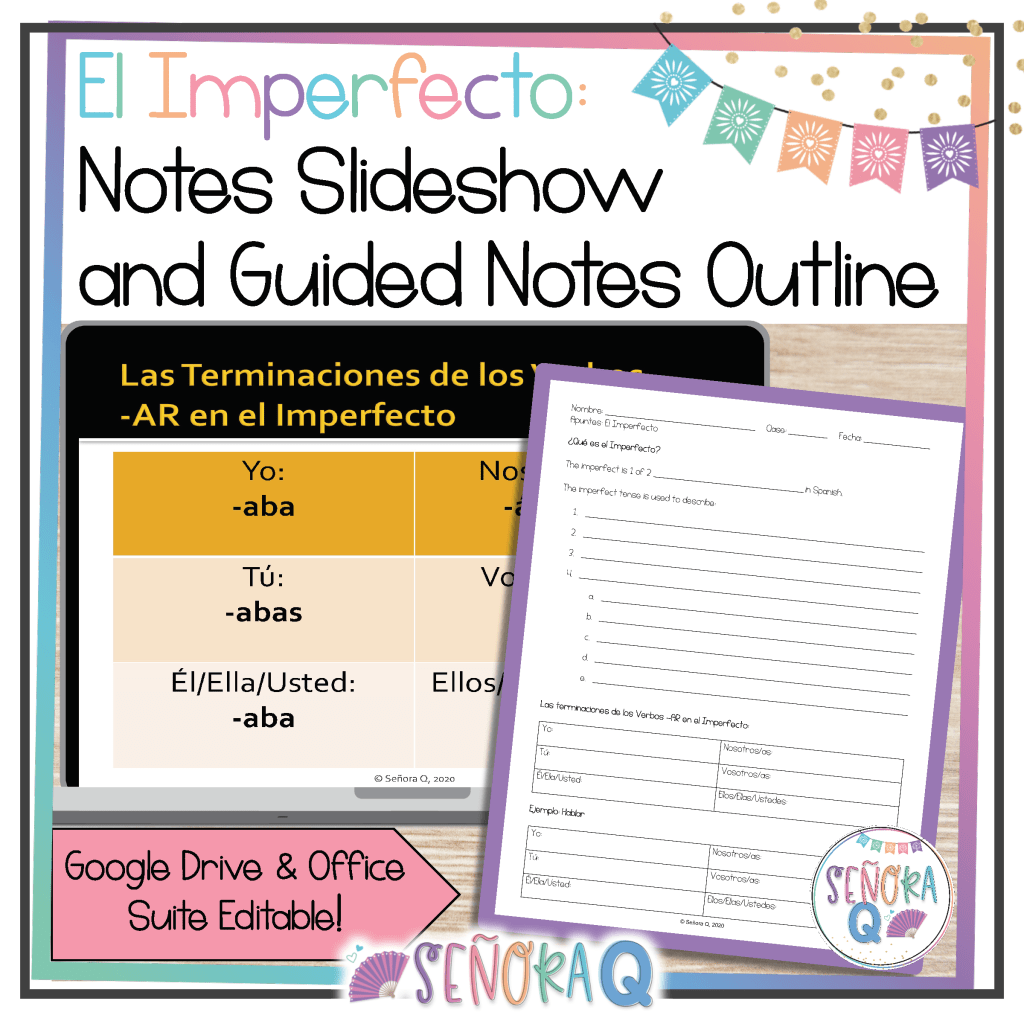
If you’re interested in some ready-to-use presentations that come with guided notes outlines and built-in guided practice activities, I’ve got you covered! Check these out!
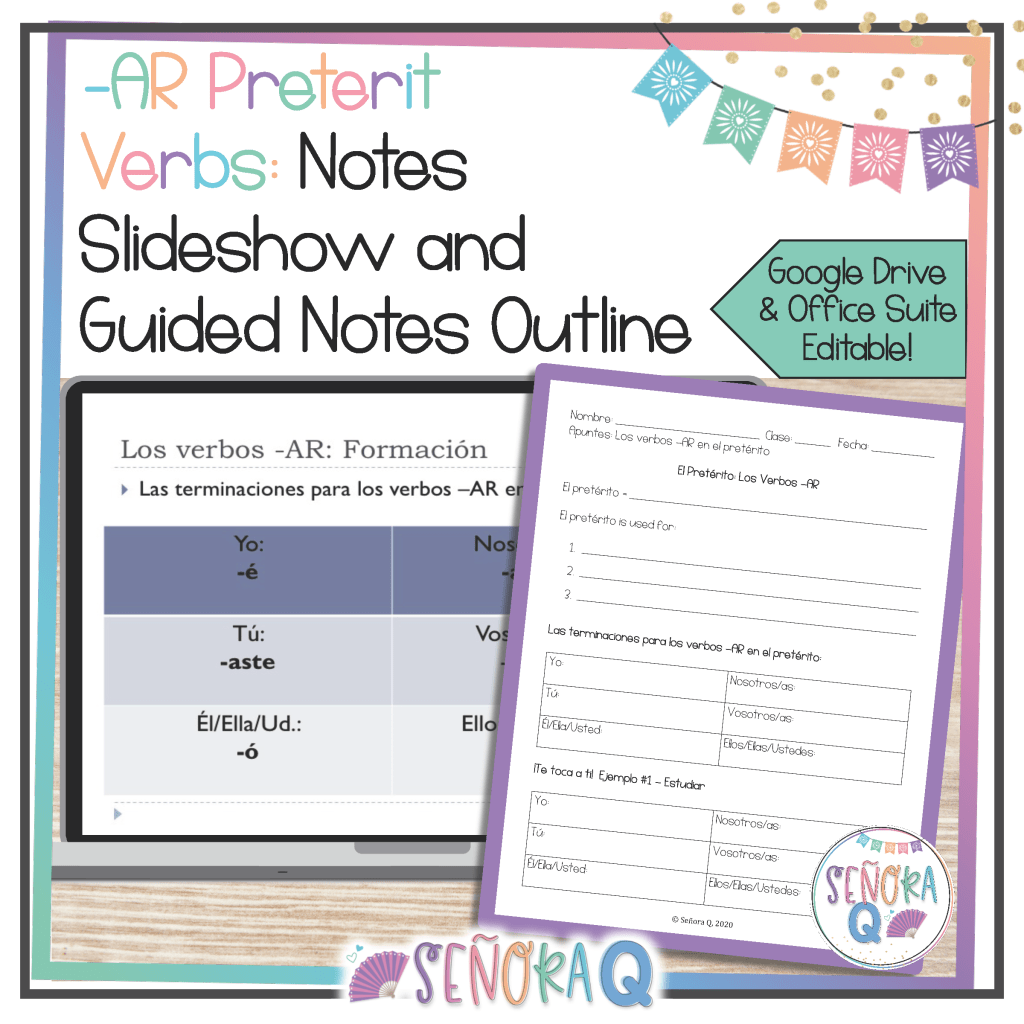
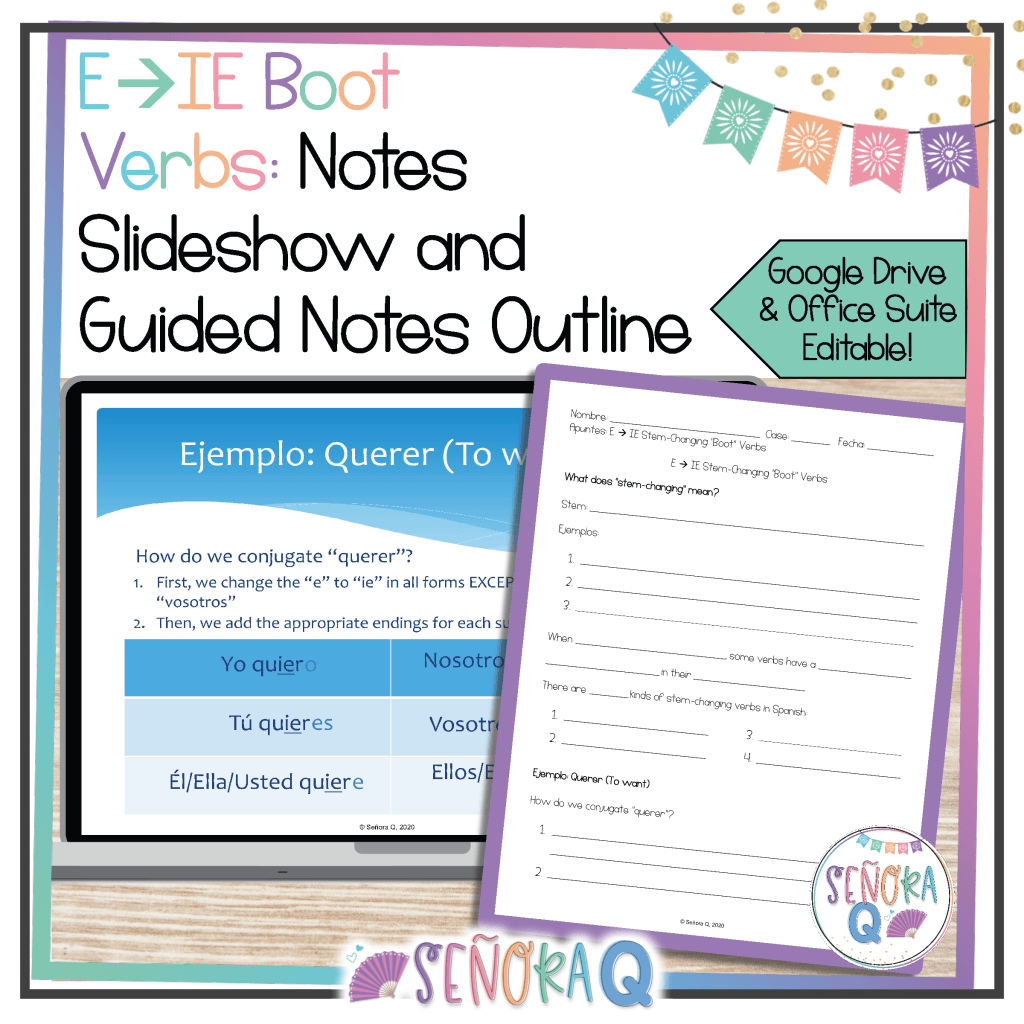
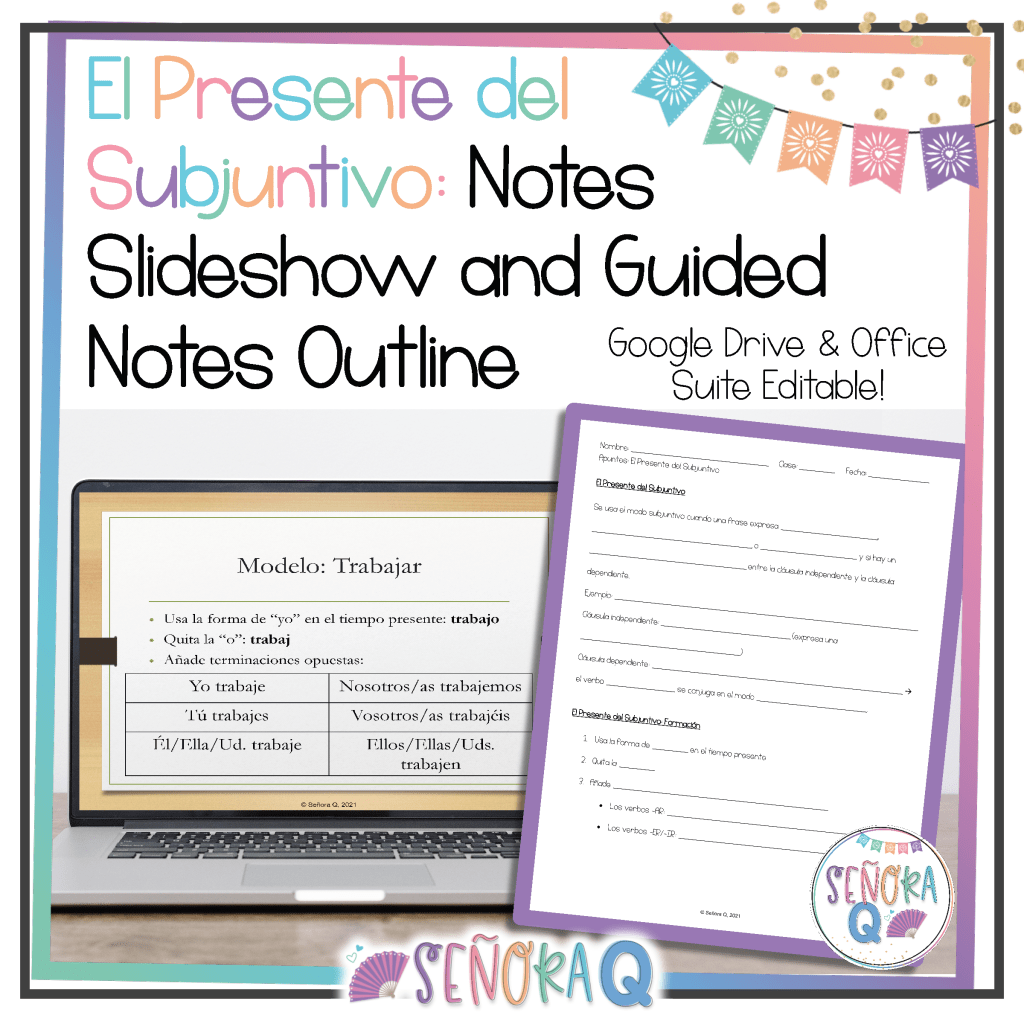
I hope this was helpful and that you found some ideas that you can use in your classroom! If you have any questions about these activities, feel free to leave me a comment below or send me an email. Have a wonderful week, profes!
 Señora Q