
¡Hola profes! How are you doing? Can you believe it’s February already? I feel like the month of January just flew by!
I have a few questions for you, profes: What kind of curriculum do you use in your classroom – traditional or CI? Do you get a choice at all in your curriculum and how you deliver it, or is it mandated by your school or district?
I have gotten a few questions lately pertaining to CI and traditional curricula, and wanting to do more with CI while simultaneously being required to teach a traditional curriculum. I have good news for you, profes! Even if you’re teaching a more traditional curriculum, there are still ways to incorporate CI elements into your lessons! Here are 3 tips:
#1: When you must teach grammar, teach and practice it in context.
When particular grammar concepts are a part of your curriculum, teach them in natural contexts in which your students would be likely to read, hear, and use those concepts. For example, if you are teaching adjective agreement, use the context of describing themselves and their family members/friends. The imperfect tense? Use it to talk about childhood and the way things used to be in the past. Reflexive verbs? Daily/morning routines are great for this topic!
There are numerous benefits to teaching grammatical concepts in context, but here are the top two for me:
- Giving students logical contexts for grammatical concepts helps students see how they will use these topics in real-world situations. Students will not encounter decontextualized grammar in the wild, so to speak. They’ll never be asked to recite verb conjugations, for example, but they will have to use verb conjugations to understand language and respond to it. Teaching grammar in context can eliminate the question, “When/How am I ever going to use this?” It also prepares students to use their Spanish outside of the classroom!
- Teaching grammar in context will make it easier for you to provide meaningful CI to your students. If you’re teaching about adjective agreement, you will likely be able to find CI sources that demonstrate that concept within the context of describing oneself and one’s family/friends. When you teach grammar contextually, you’ll find some many more appropriate CI sources you can use in your classroom!
#2: For audio input, find audios and videos that feature the grammar topic within the context in which you taught it.
If you’ve been on this journey with me for a while, you know that I’m a huge proponent of using authentic sources in the classroom whenever possible! After all, if we want our students to be able to understand Spanish out in the world, we have to expose them to language created by and, as appropriate, intended for native Spanish-speakers when we can. This might seem a little daunting at first, but I promise, it is doable – even for your lower-level classes! Here’s a blog post I wrote with some tips and tricks I’ve learned and regularly use in my classroom!
But whether you choose to use authentic audio sources or come up with your own scripts and activities, you’ll have an easier time of finding or writing audio sources featuring your grammar concept in a natural context. You wouldn’t stand up and just list verb conjugations or the direct object pronouns, right? You’d need to use them in contexts that will provide meaning for your students.
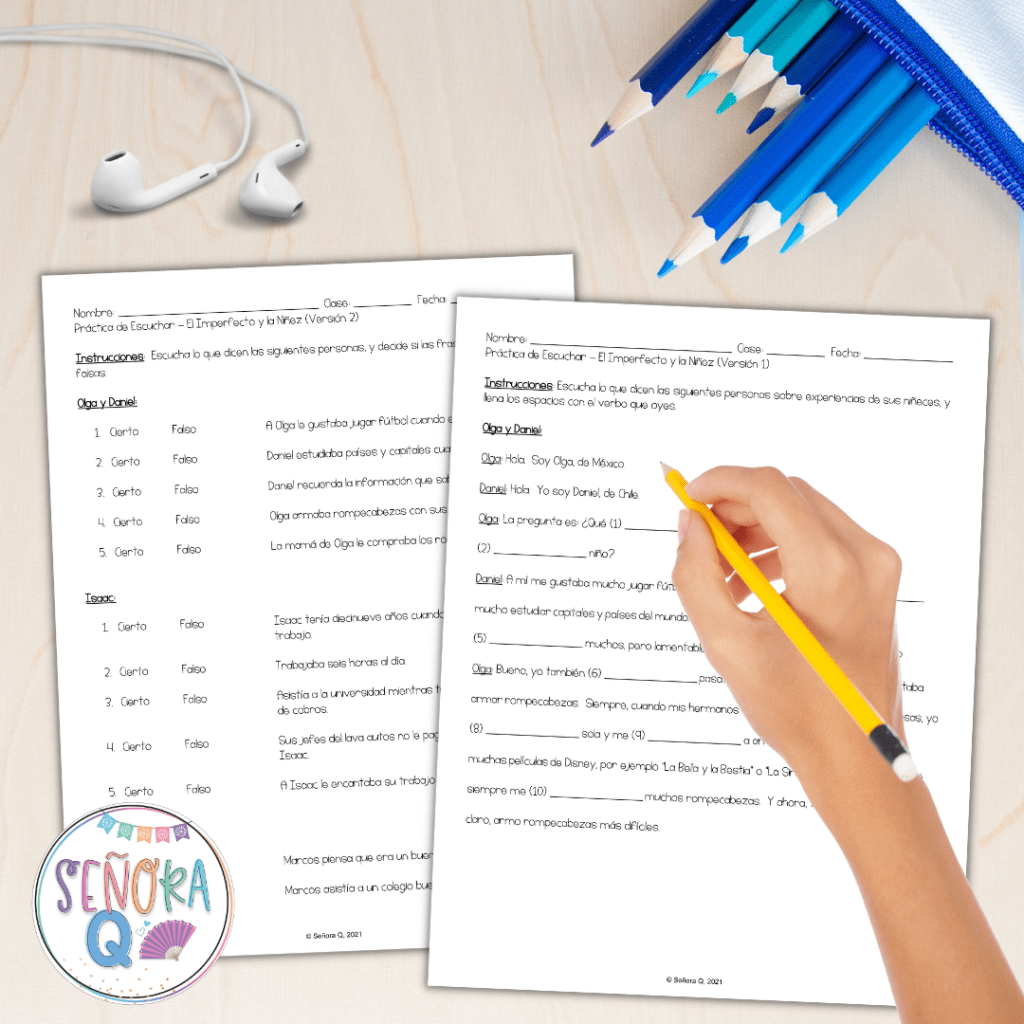
Whatever context you choose to teach your grammar topic, make sure your audio input sources showcase the grammar in that context. If you taught reflexive verbs with morning/daily routine, make that be the context of your input. Look for audios or videos of native speakers describing their routines, or describe your own routine to students. This will make the input more meaningful to students while still helping them practice the grammatical topics of your curriculum. On the other hand, using audio sources that are outside of the context(s) you’ve used in class will be less meaningful and could possibly confuse students.
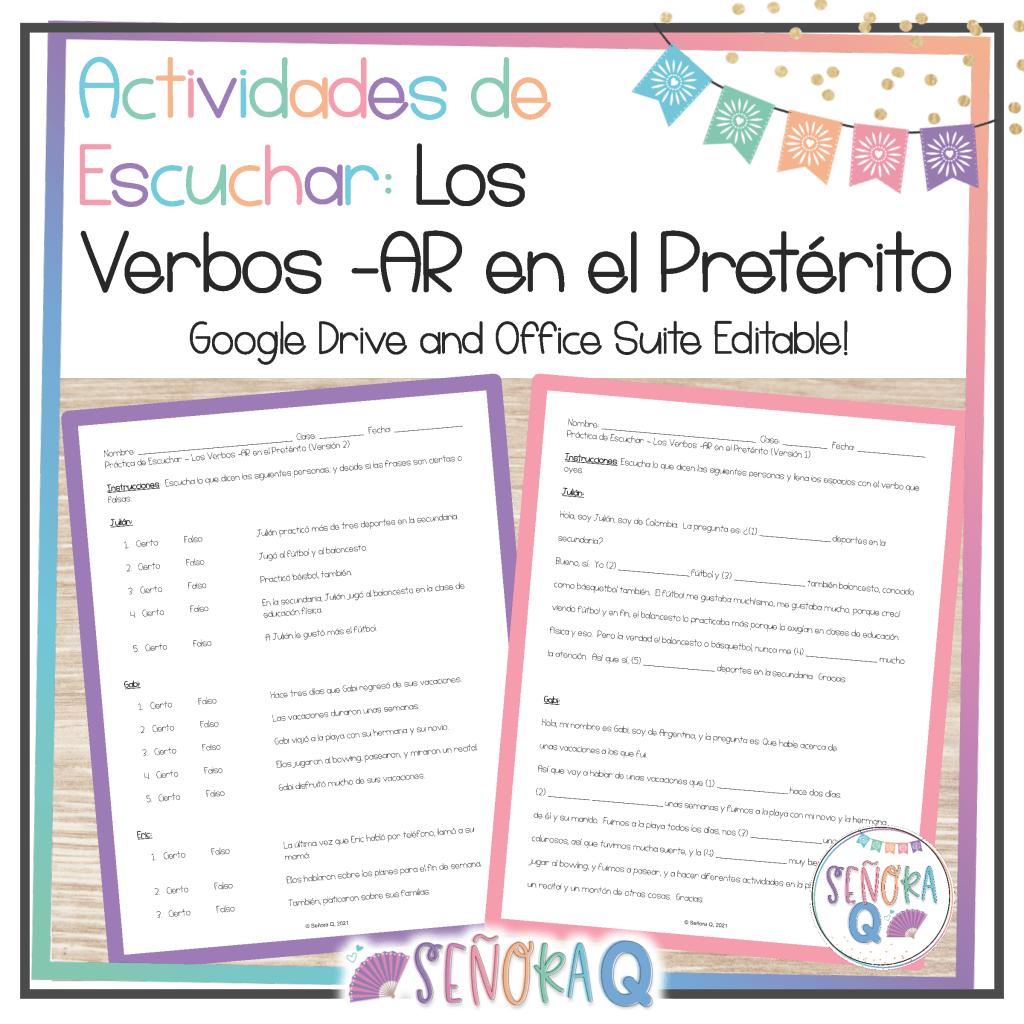
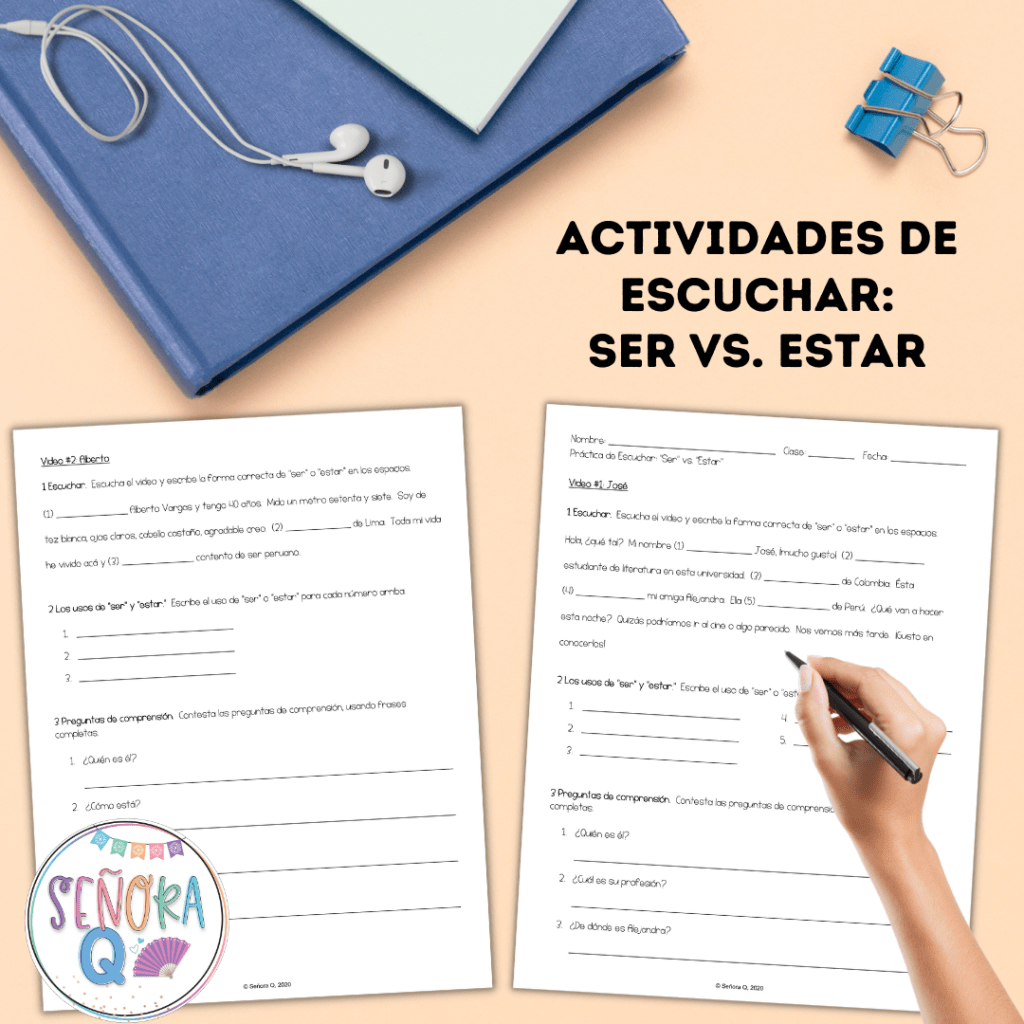
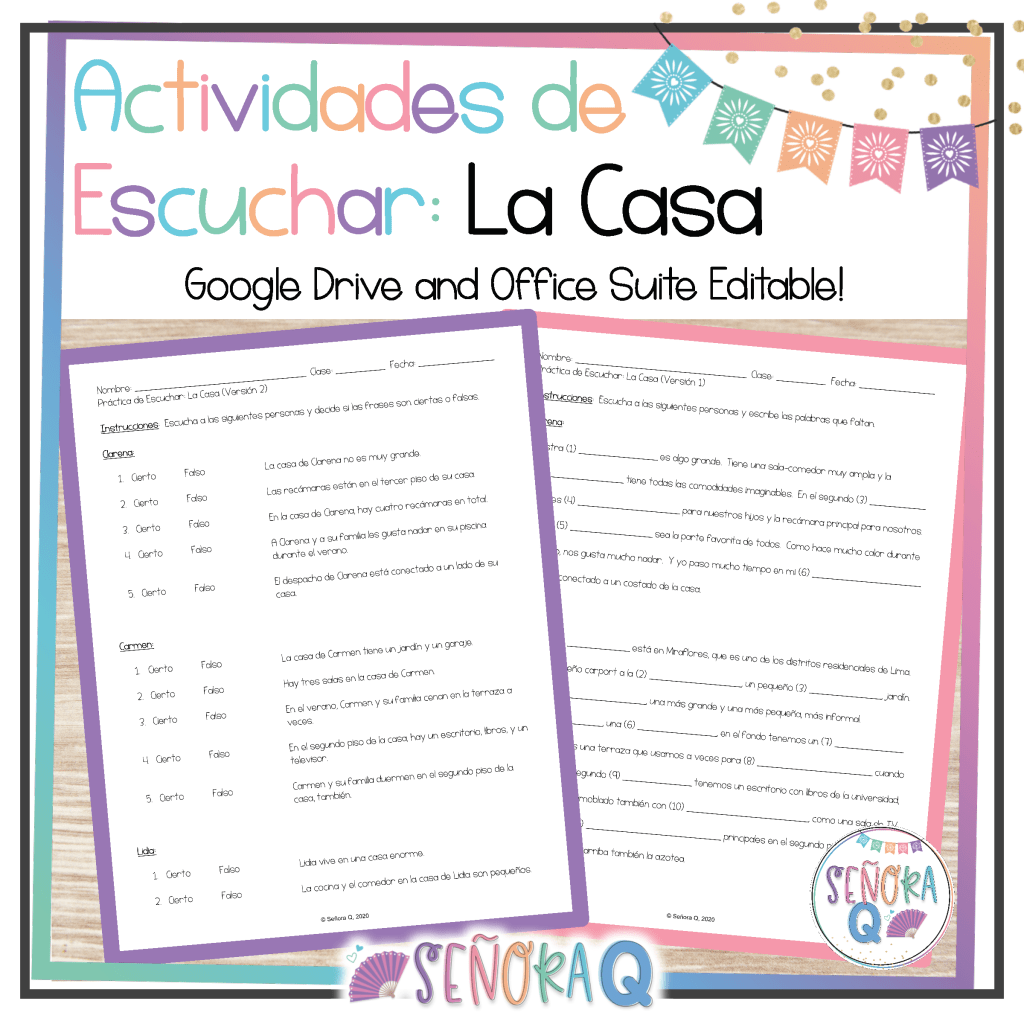
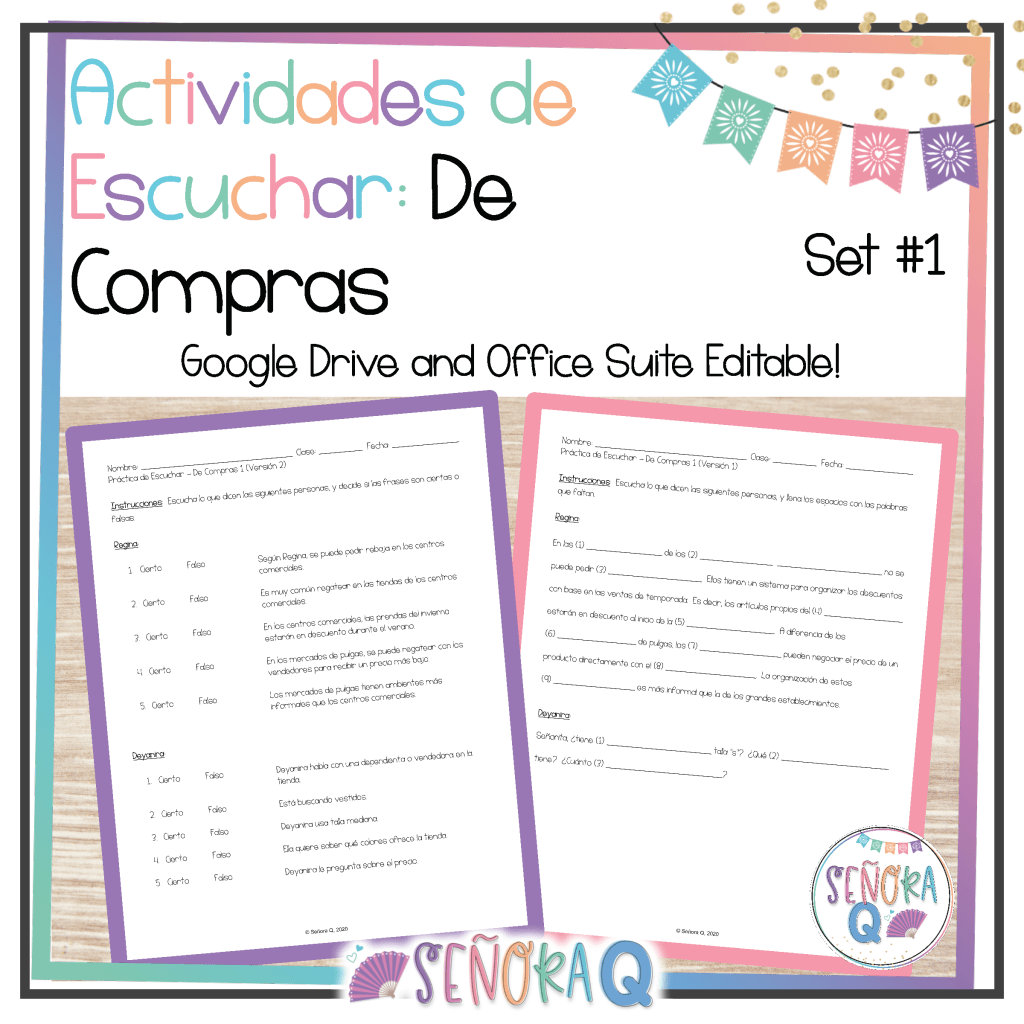
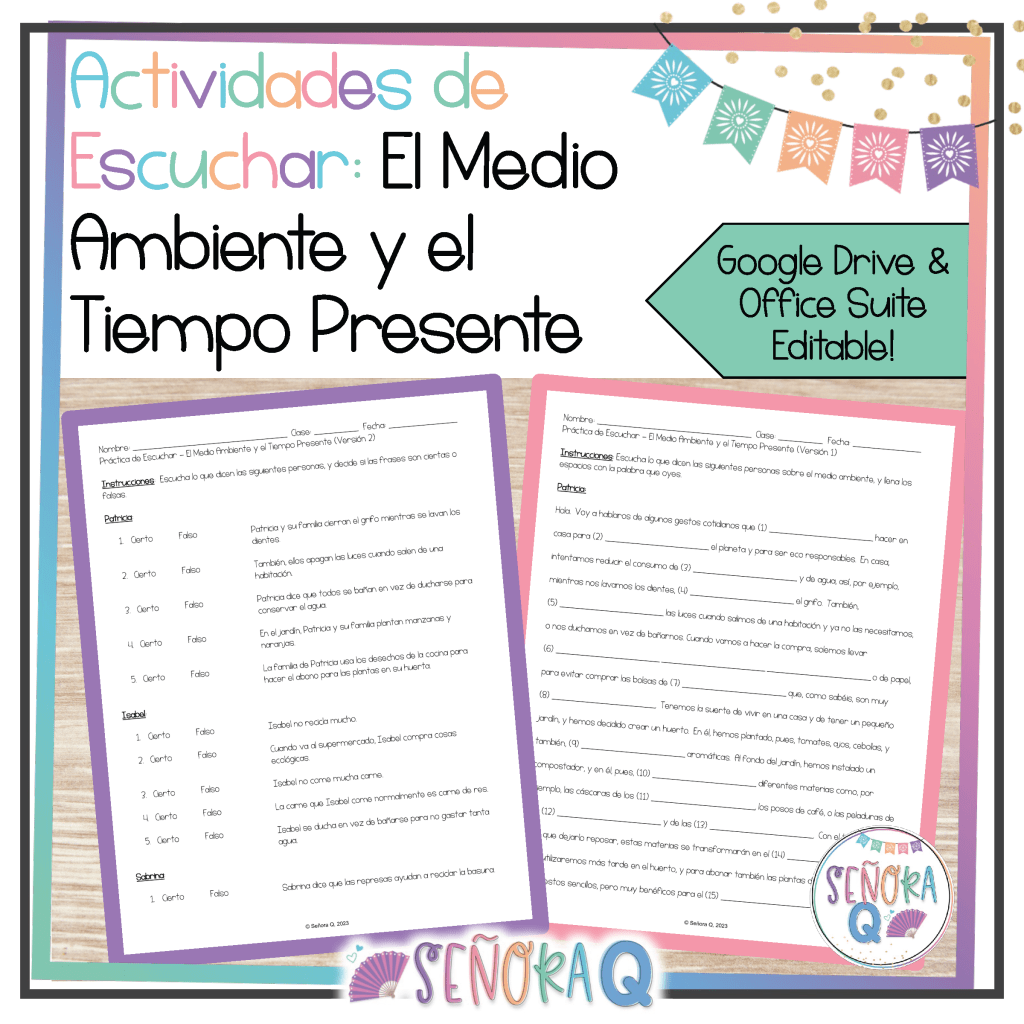
Are you looking for some CI audio sources for a certain topic? Here are some you might find useful!
#3: For reading input, utilize texts that also feature your grammar concept in context.
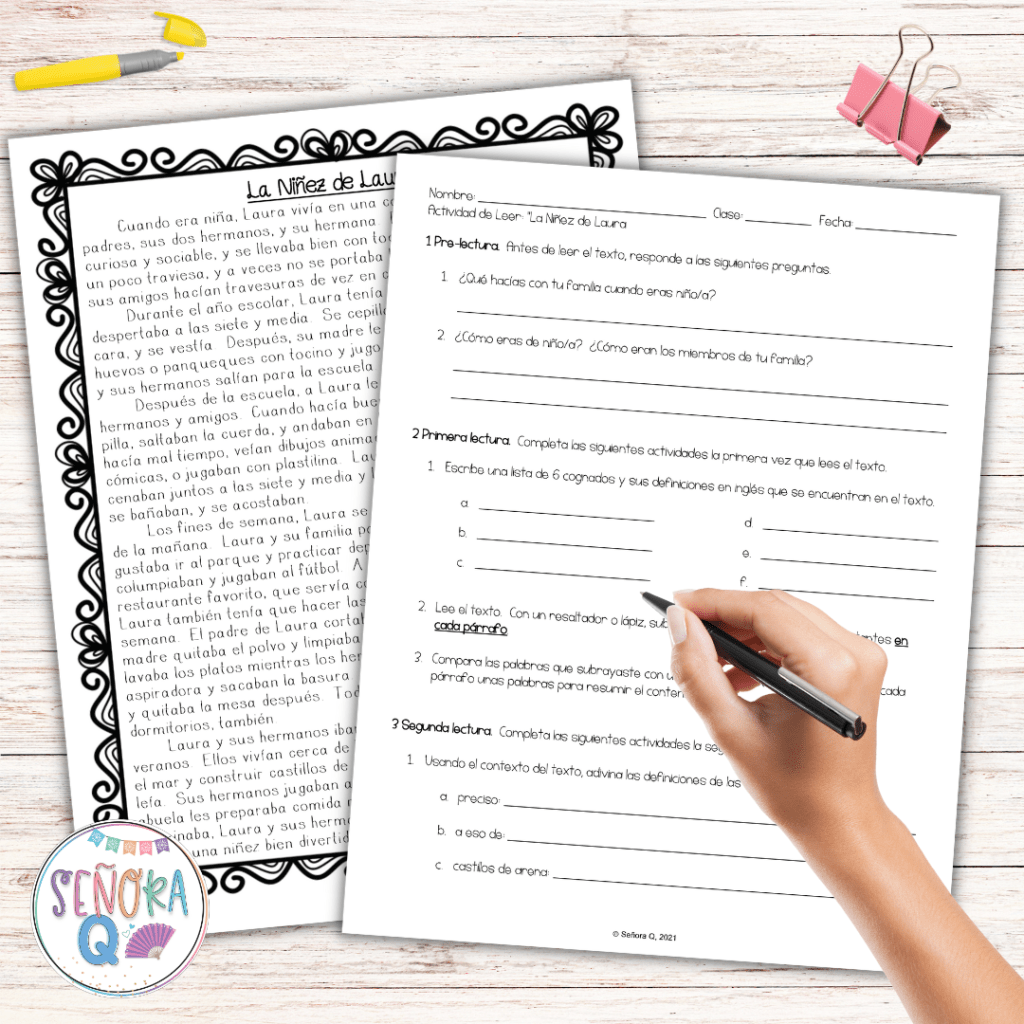
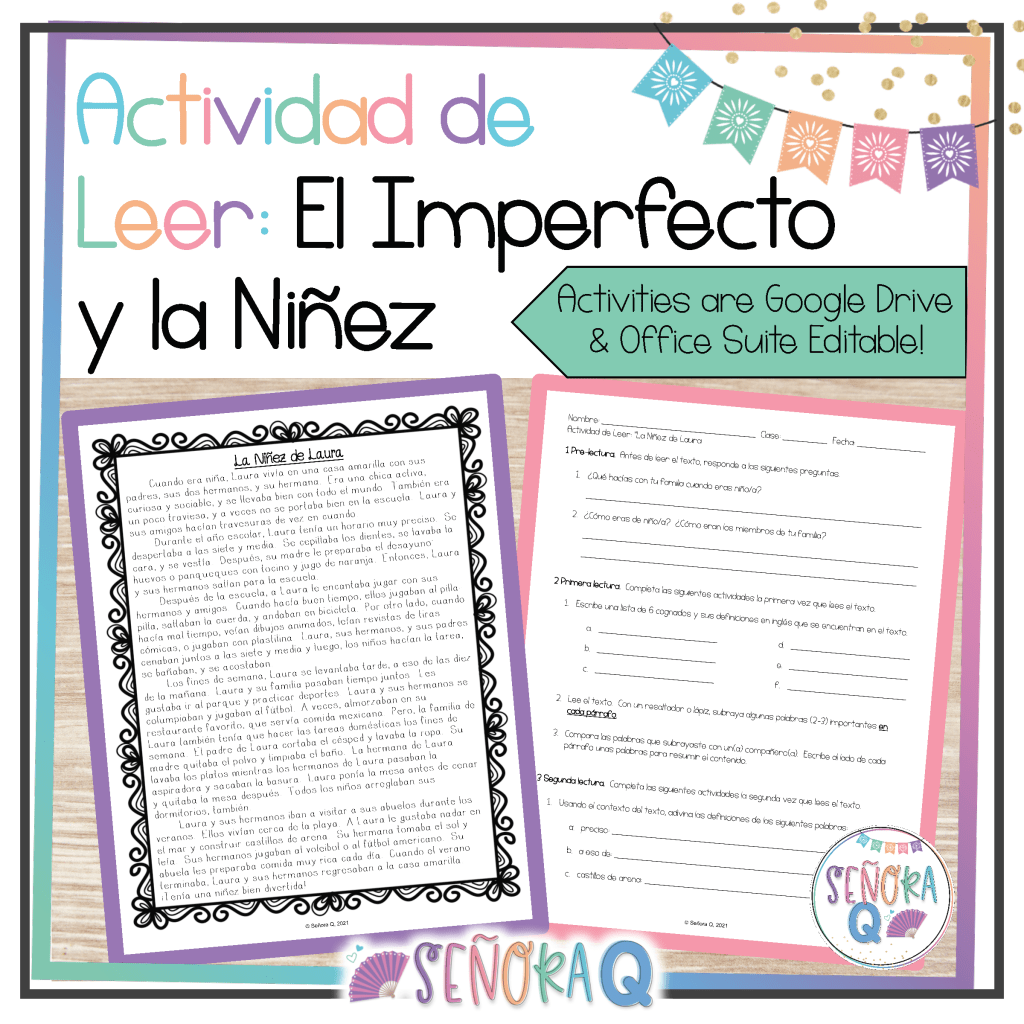
Just like with audio input, it’s best to give your students comprehensible reading input using the context that you used to teach your grammatical concept. Did you teach about the imperfect tense in the context of childhood? Look for texts that relate to childhood or about how things used to be in the past, or write your own text about your childhood. Keeping your text related to the context in which you taught the concept helps your students see how they might use the concept in real-world settings while also practicing your course content! Win-win!
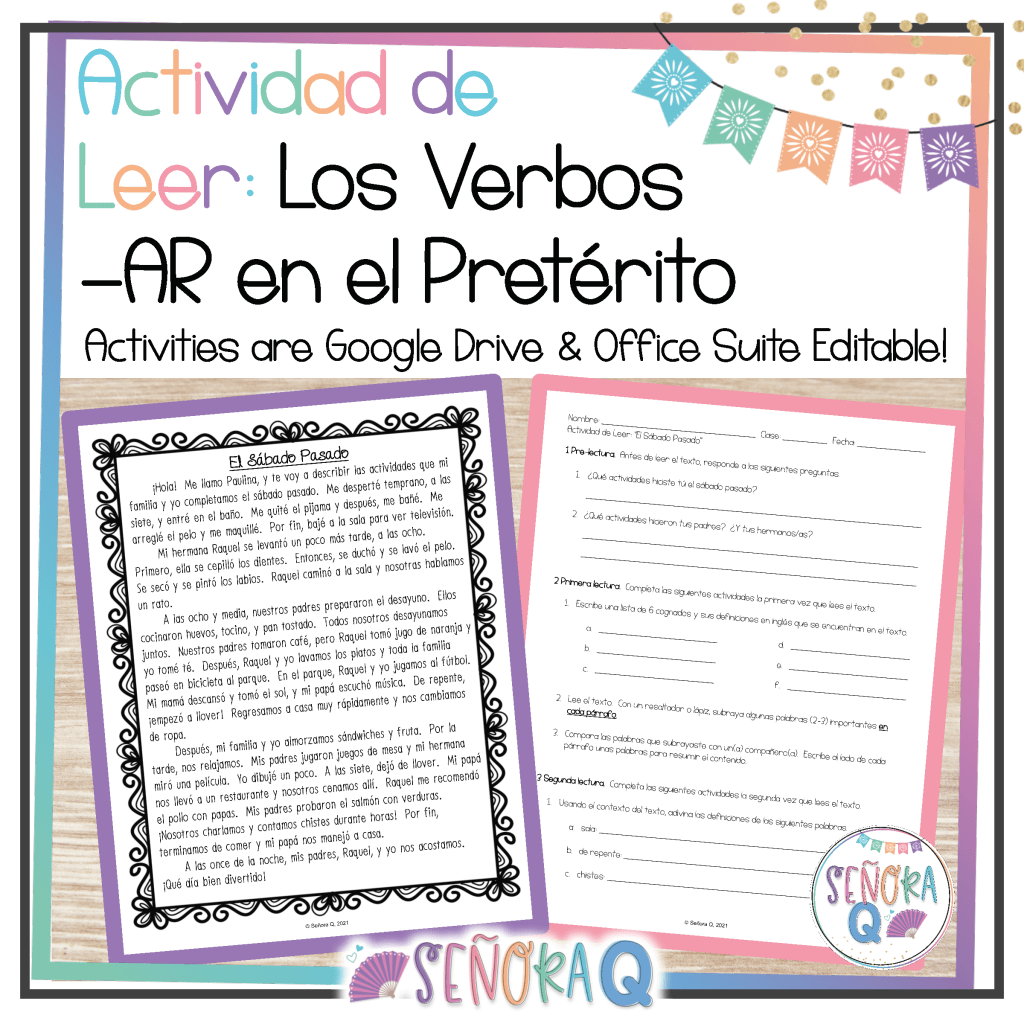
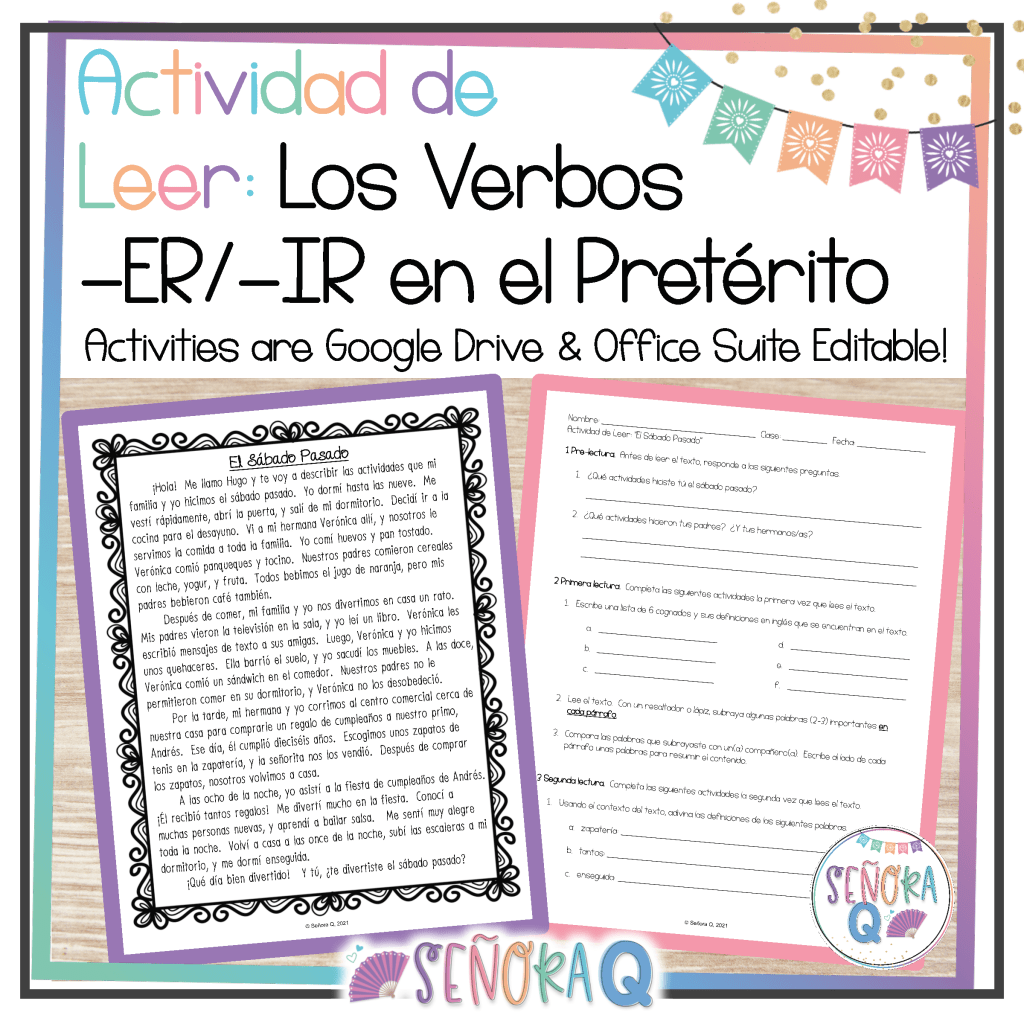
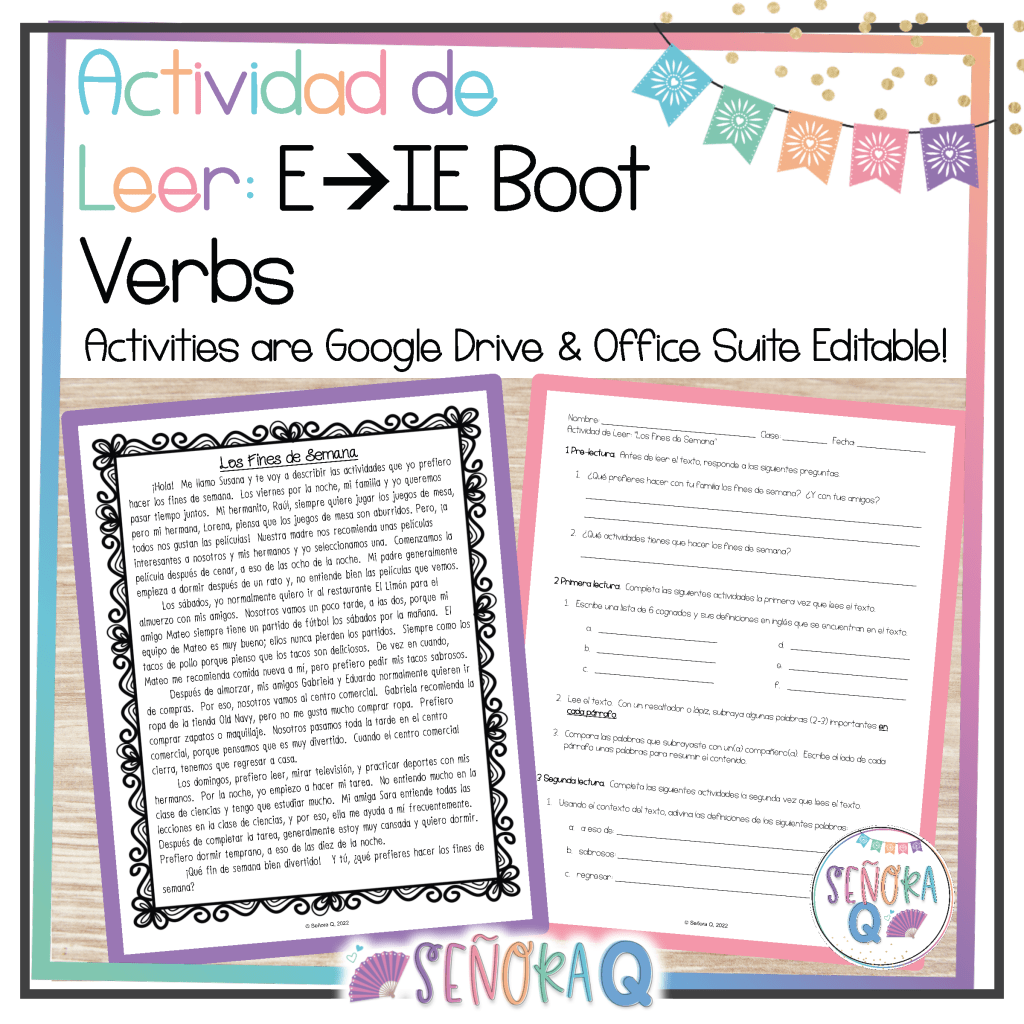
It may be slightly more challenging to find authentic reading sources than audio sources, but not impossible! Your text doesn’t have to be overly long – you can use posters, brochures, and even social media posts as comprehensible texts! However, if you can’t find something to meet your specific needs, writing your own works too! The key is just to keep your text within the context you taught and practiced the grammar topic. This will make your efforts as effective as possible. (Need some reading comprehension activity ideas for your CI text? Here are some you might like to try!)
If you want to save time and energy looking for CI texts or writing your own, I can help! Check these out:
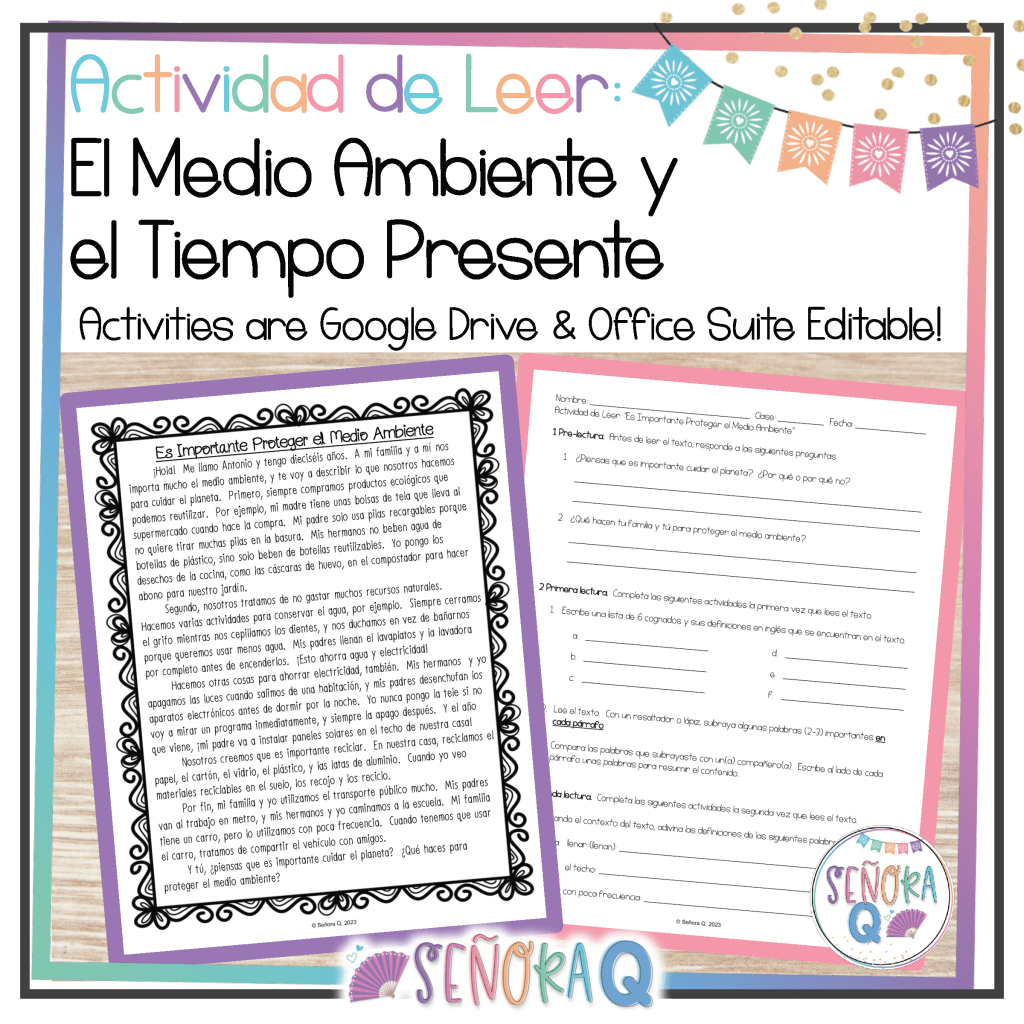
I hope this was helpful! Please feel free to leave me a comment or send me a message if you have any questions about any of these activities! Have a wonderful week, profe!
 Señora Q