

¡Hola profes! How are you doing? I can’t believe October is almost over already. In many ways, it feels like the school year just started, yet here we are!
Let me know if you can relate to this, profes: You are starting a new lesson or unit, and there is new vocabulary for your students to learn. You also know that your students will need to interact with these new words numerous times in order for them to become part of their working vocabularies. However, the thought of completing one more worksheet is completely unappealing to both you and your students.
If you’ve ever felt like this, believe me, I’ve been there too. So, let’s look into some dynamic, worksheet-free activities that can make vocabulary acquisition a fun and memorable experience for everyone!
#1: Interactive Word Walls. Move beyond the static word wall and create an interactive one where students contribute by illustrating words, writing sentences, or providing synonyms. This collaborative effort not only reinforces vocabulary, but fosters a sense of ownership.
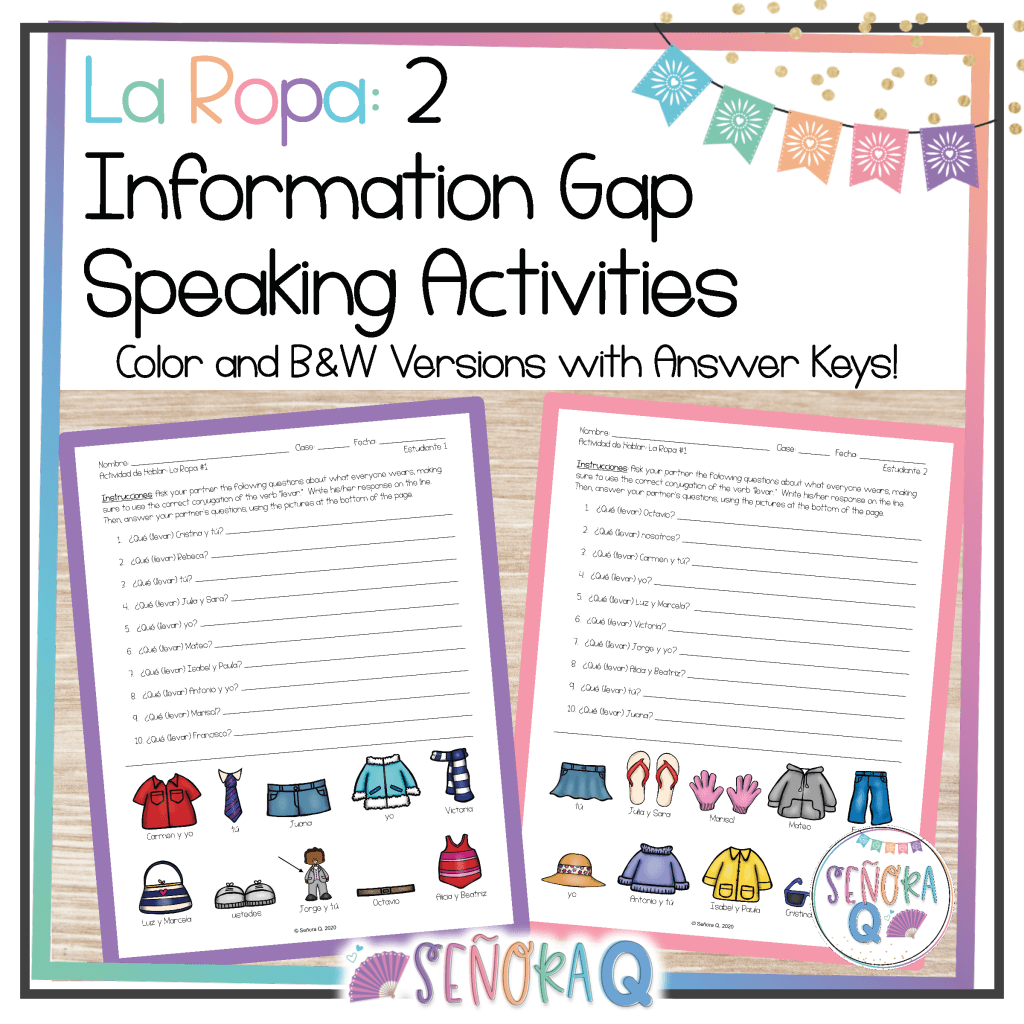
#2: Information Gap Speaking Activities. If you want to get your students speaking while practicing and reinforcing new vocabulary terms, an information gap activity will help you accomplish all of that! Divide students into pairs and give each partner a half-complete paper. Put some questions at the top, and some images at the bottom. Students then ask the questions that they have to their partners, who will use the images on their papers to give a response. Students then switch roles.
Here are some of my favorite information gap activities that I use in my classroom every year:


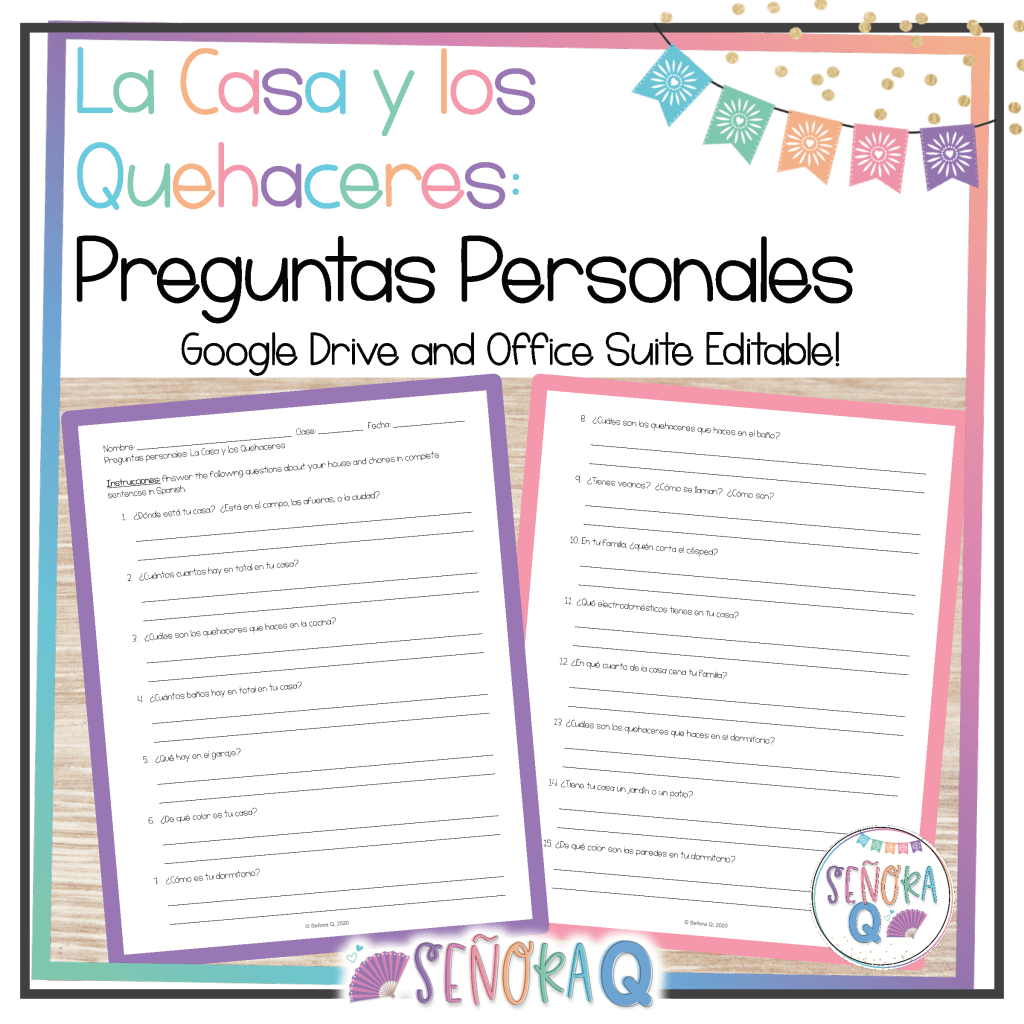
#3: Preguntas Personales. This is an easy yet effective way to practice unit vocabulary! Post 2-3 questions on the board or give each student a slip of paper with the questions. I like to vary the subjects of the questions. Have your students respond verbally or in writing. You could also have students use the questions to interview a partner!
Here are some ready-to-use sets that you can use in your classroom immediately:


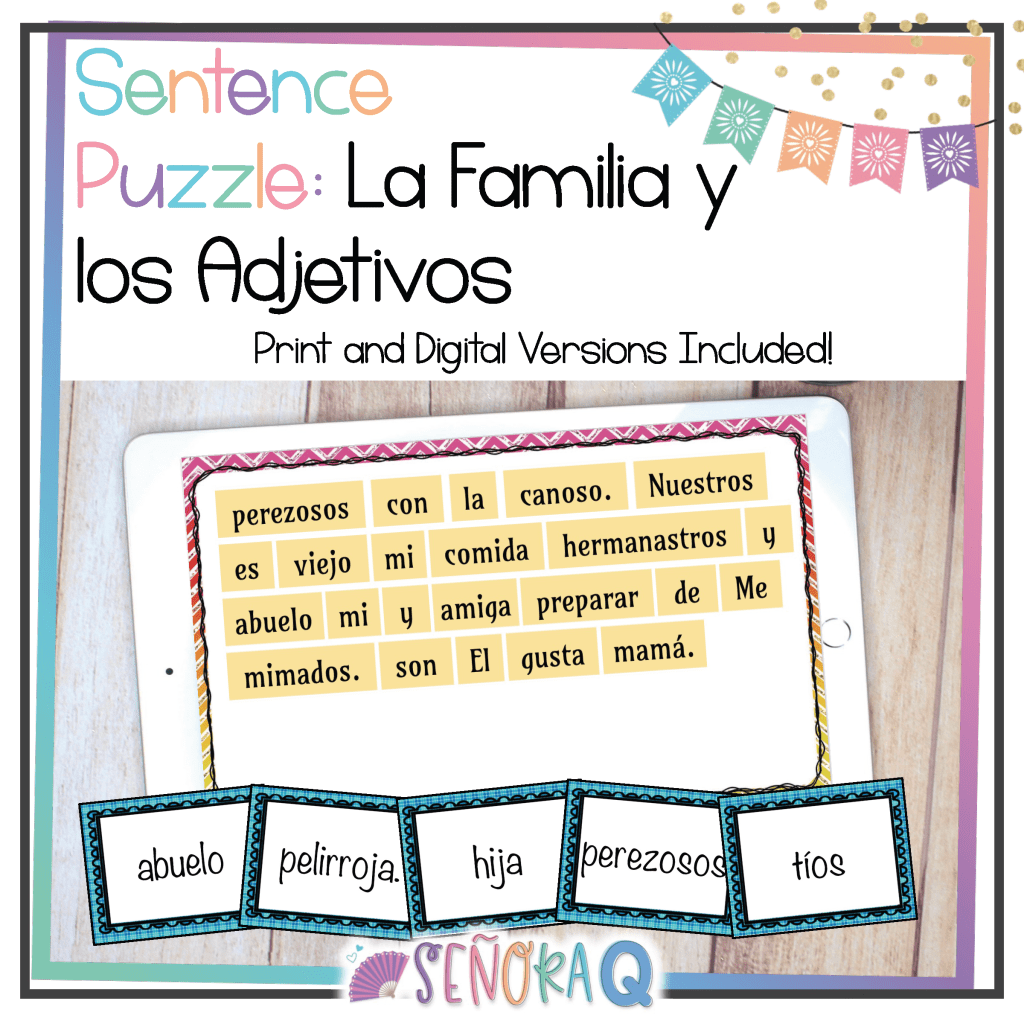
#4: Scrambled Sentences Puzzles. This is a great hands-on activity to help your students practice vocabulary and logical sentence structure. Type up 6-9 sentences pertaining to your unit vocabulary in large font, and print several sets. (I recommend printing each set on a different color paper, and laminating them.) Then, cut out each individual word of each sentence, scramble up the words, and put them into an envelope or plastic baggie. When you’re ready to do the activity, put your students into groups of 2-4, give each group an envelope or baggie with the words, and have them put the sentences back in logical order. Students really enjoy this activity!
If you would like to try a scrambled sentences puzzle, here are some ready-to-use sets for you:


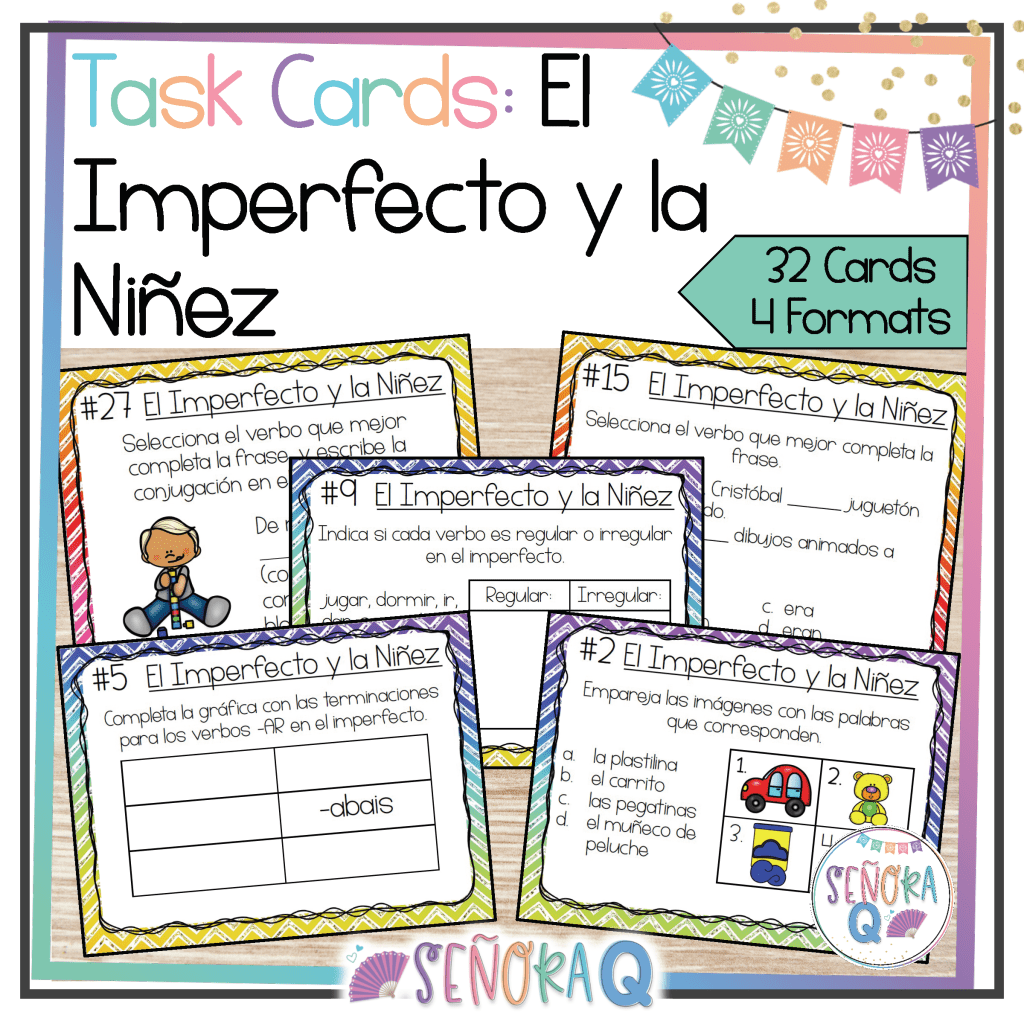
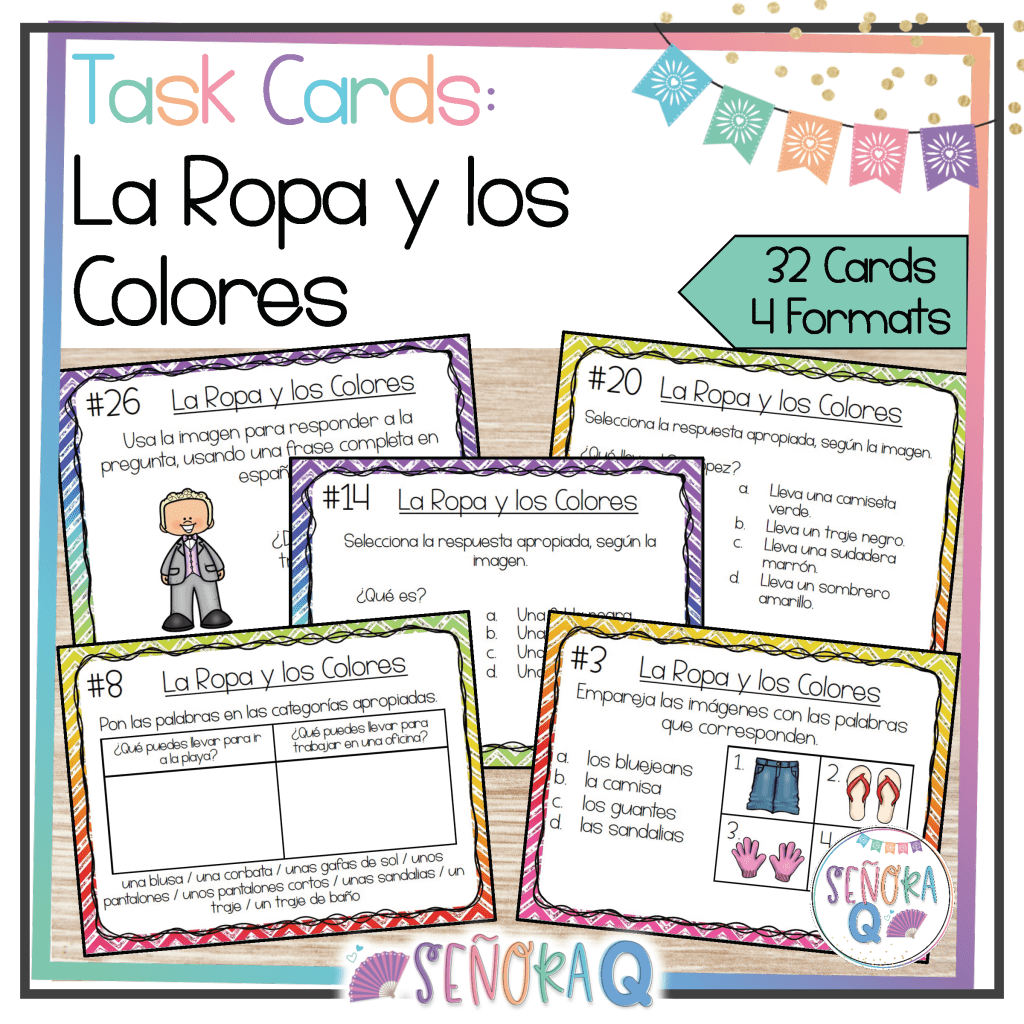
#5: Task Cards. On an index card, write a question/prompt pertaining to your unit vocabulary. You can number the cards if you like, or include images! There are SO MANY uses for task cards, but my favorite is to post them around my classroom or in the hallway just outside my room and have my students move around to answer the questions. Students really enjoy being able to move around as well!
Here are some task card sets you may enjoy:

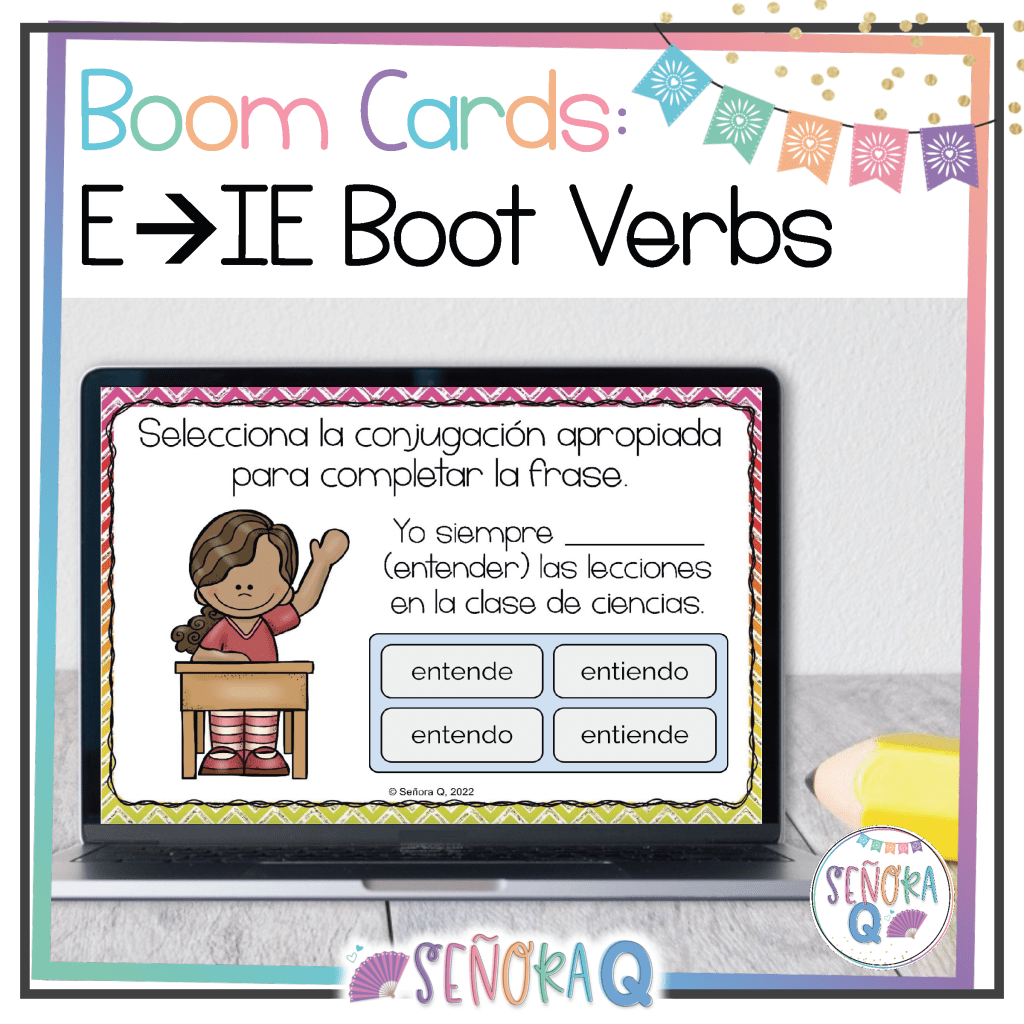
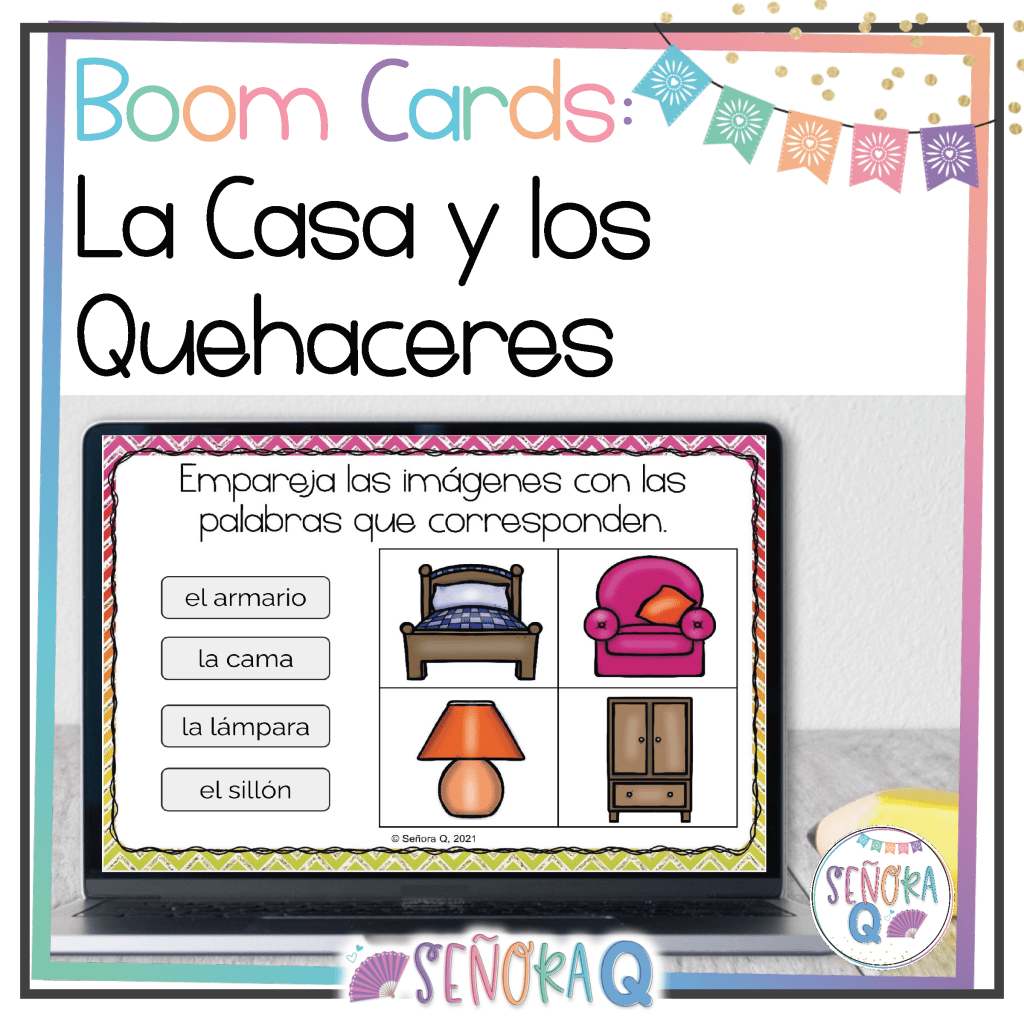
#6: Boom Cards. Boom Cards are self-checking digital task cards that you can easily assign to students to have them practice at home or in class when you’re not there! The really nice thing about Boom Cards is that students receive immediate feedback about how they’re doing. You don’t need a paid account to assign Boom Cards, but there are some nice features available with an upgraded account, such as detailed student reports!
Here are some Boom Cards sets that you can use in your classroom ASAP:

#7: Pictionary. Prep for this game is simple! All you need to do is write the vocabulary words for your unit on slips of paper, fold them in half, and put them in plastic baggies. Since I like to play this game in groups of 4, I make up as many plastic baggies as I’ll need for the size of my class. The nice thing is that, once this is done, you’ll be able to keep the word sets for years to come!
I put students into their groups and the students in each group are broken down into two teams of two. Each group receives two mini white boards, two dry-erase markers, two erasers, and a plastic baggie with the vocabulary words inside. One student from each team will draw at a time. The artists select a word (the same word) from the plastic baggie and must draw it on their mini white boards for their partners to guess. They cannot speak or write any words to accompany their drawings. The partner that guesses the word correctly first wins a point for their team! Then, students switch roles for the next round.
Students get SUPER competitive with this game, and it is so fun to see their drawings!
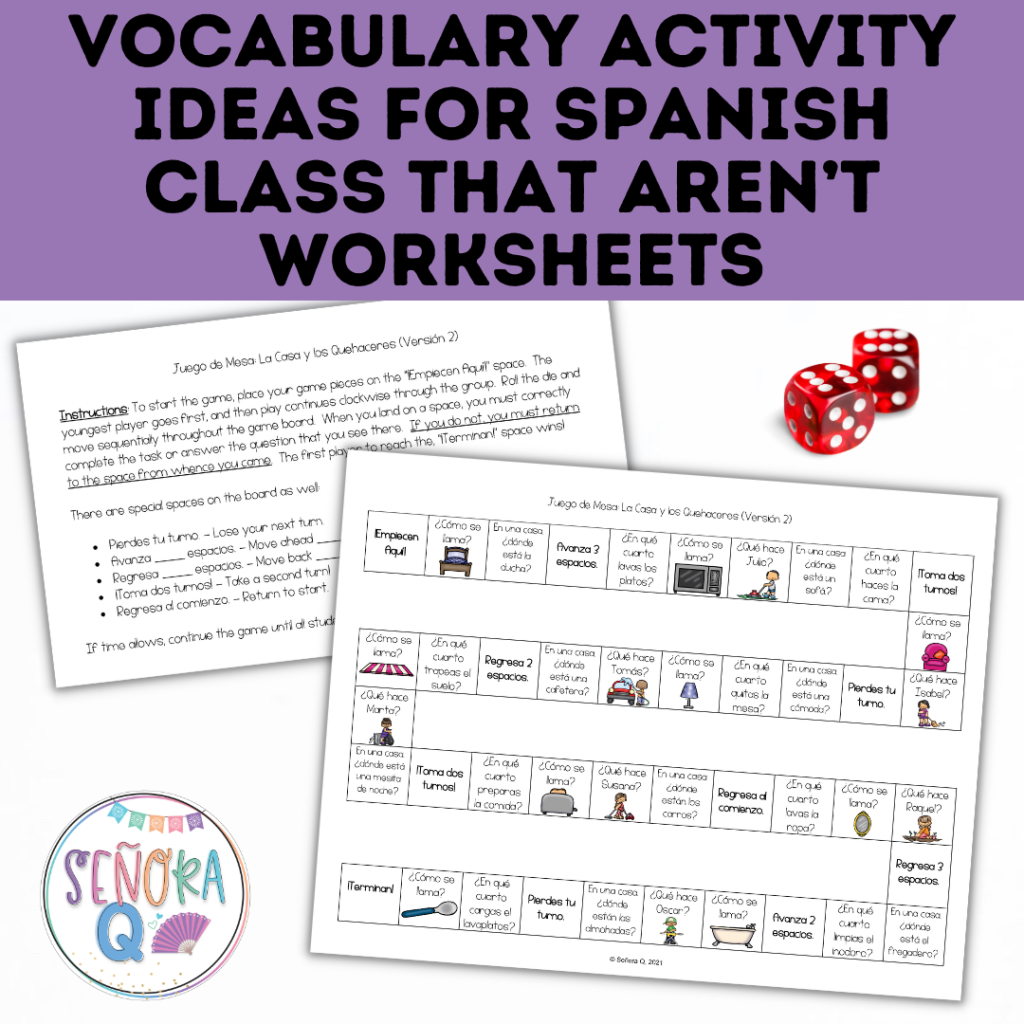
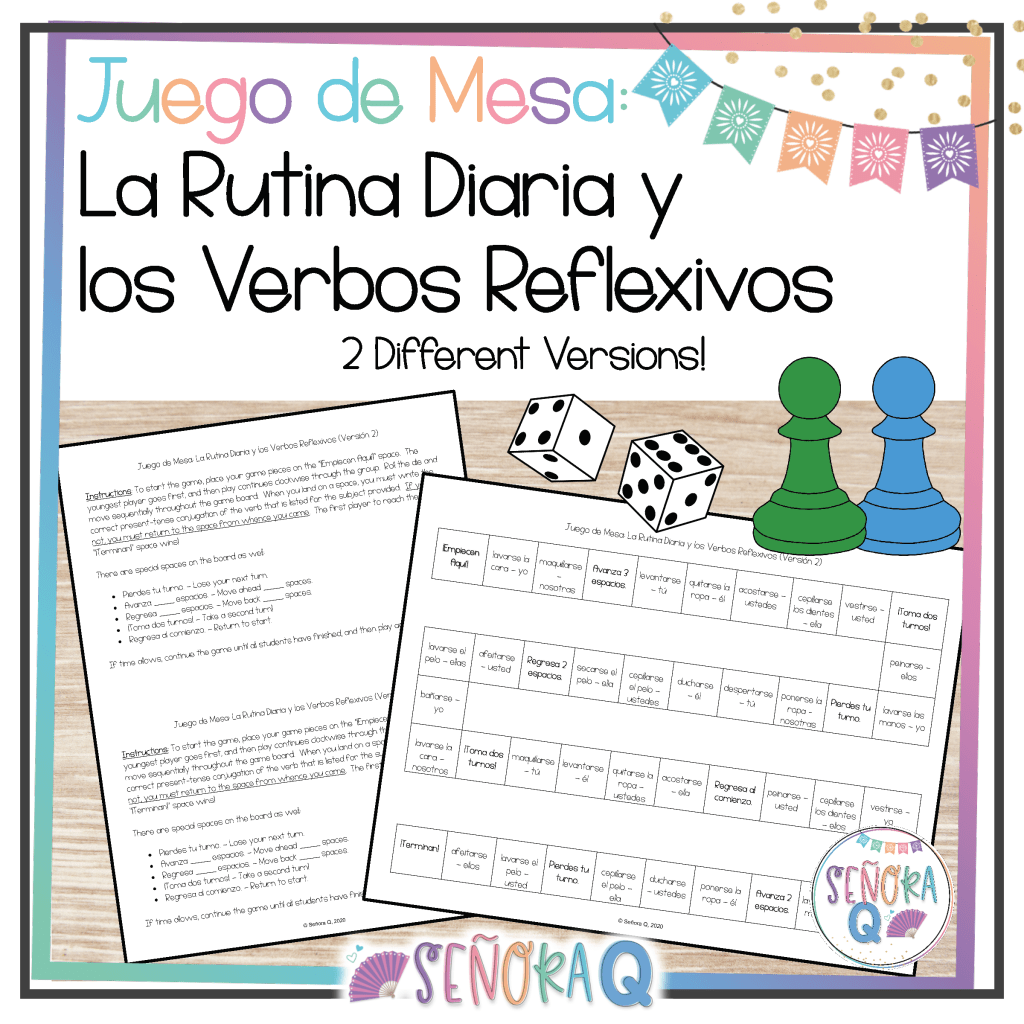
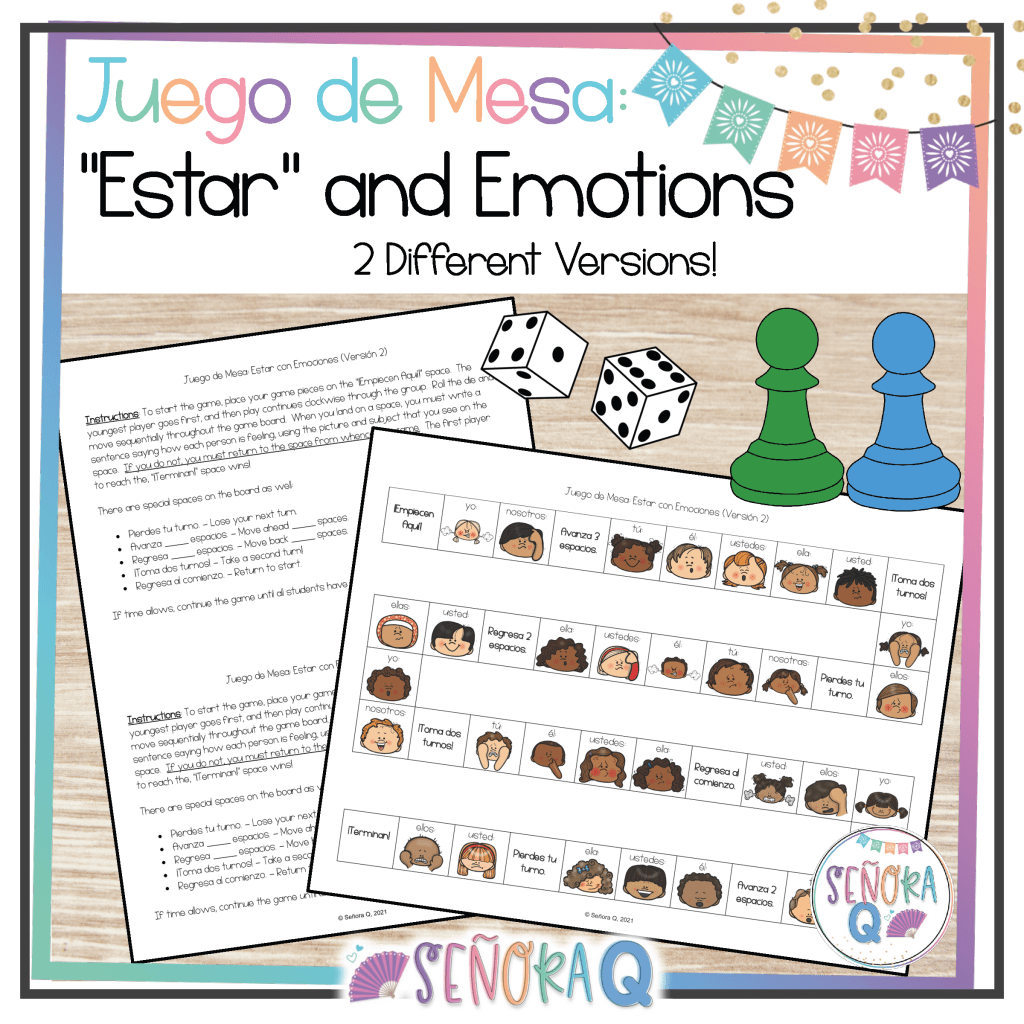
#8: Board Games. This is a fun and engaging way to practice or to review! Make a game board template (or you can get one online), and fill in the spaces with questions/prompts pertaining to your unit vocabulary. Once you’ve made your game, you can use it for years to come!
Save yourself time and energy by grabbing some ready-to-print board games here:

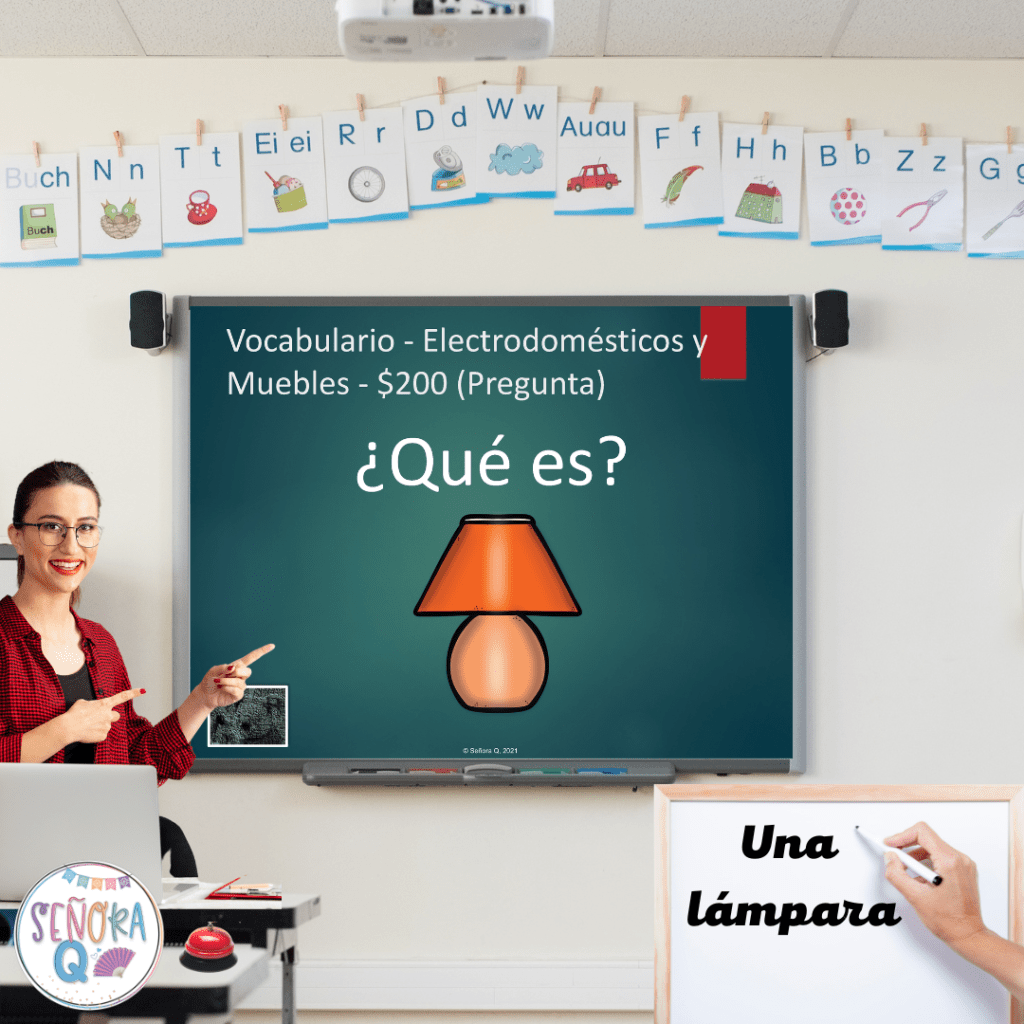
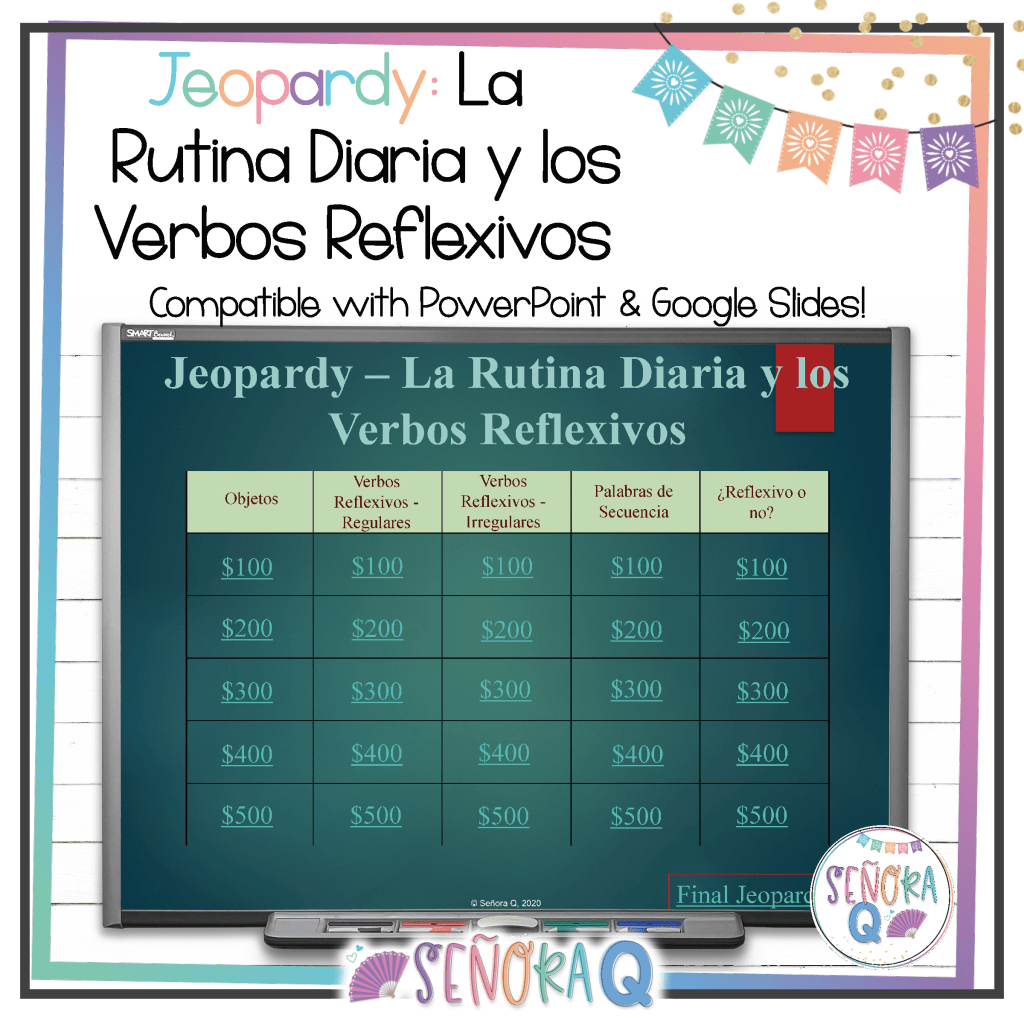
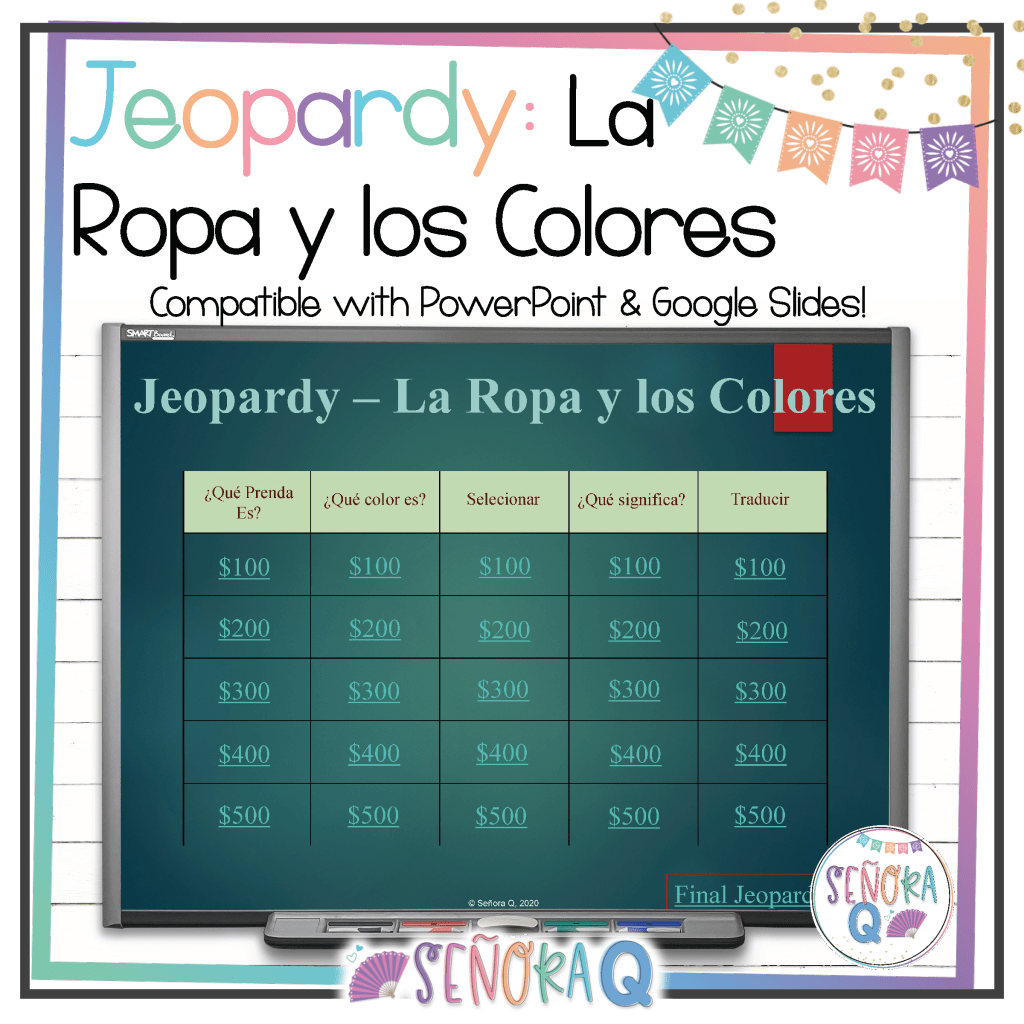
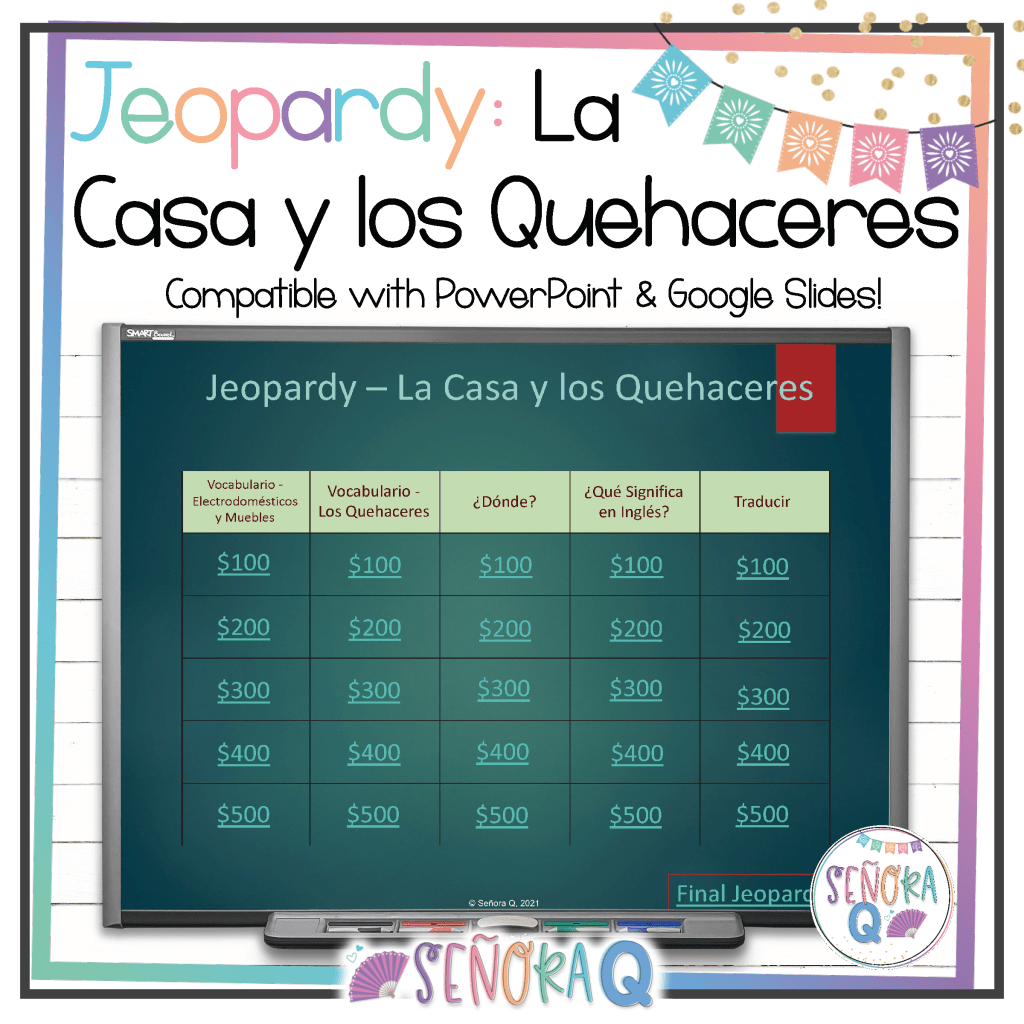
#9: Jeopardy Games. Jeopardy is a wonderful review game, and students get into it SO MUCH. You can find lots of Jeopardy templates for PowerPoint or Google slides online, and then you simply insert your questions into the template, present the slideshow, and play! Here’s how I like to play Jeopardy in my classes.
Don’t have time to create your own Jeopardy games? Don’t worry, I’ve got you! Grab some ready-to-use games here:
#10: Tic-Tac-Toe. Transform the classic game of tic-tac-toe into a vocabulary challenge. Before placing their X or O, students must correctly define or use a vocabulary word in a sentence. This is a quick and engaging way to reinforce new vocabulary terms!
#11: Charades. Break the ice and get students moving with vocabulary charades. Write down key terms on cards, have students pick one, and act out the term without speaking. This not only reinforces vocabulary but also sparks creativity.
#12: Story Starters. Foster creativity while practicing vocabulary by providing students with story starters that incorporate new terms. Encourage them to continue writing, incorporating the vocabulary in context.
I hope this was helpful! Please feel free to leave me a comment or send me an email if you have any questions! Have a wonderful week, profe!
 Señora Q