
¡Hola profes! I hope you’re doing well this week! Have you finished the first quarter of the school year yet? Mine ends next week and I cannot believe how fast this school year is flying by!
Welcome to week 5 in my series on how to introduce AP Spanish Language and Culture exam tasks to lower-level students. I firmly believe that preparing students for AP success begins in Spanish 1. The more students practice the tasks in the years leading up to AP, the more they’ll feel like second nature to students. They will know what to expect from the test, and what the test will expect from them.
In my last four posts, I talked about how to scaffold the email reply, how to scaffold the simulated conversation, how to prepare students to interpret printed texts, and how to prepare students to interpret audio texts. This week, I wanted to share tips for preparing lower-level students for the presentational speaking section of the AP exam, the cultural comparison. To complete this task, students have two minutes to verbally compare a cultural aspect of a Spanish-speaking country with a cultural aspect of their own communities, or another community with which they are familiar.
It goes without saying that, in order to successfully complete this task, students must be familiar with cultural products (creations), practices (actions/behaviors), and perspectives (beliefs/values/attitudes) of Spanish-speaking countries. Additionally, students will need to be able to compare and contrast in Spanish. It can seem like a daunting task! But the good news is, if you start to prepare your students when they are in lower levels, they’ll be ready by the time they get to AP!
So, how can you start preparing for the cultural comparison with lower-level students? First and foremost, make sure that you keep your expectations consistent with students’ current proficiency levels. Can a Spanish 1 or Spanish 2 student make a complex, detailed comparison like an AP student? No. Can they still learn about cultural aspects of Spanish-speaking countries and compare them to their own? Absolutely!
Next, teach students about the task and provide scaffolding and support when needed. Your lower-level students will likely become overwhelmed if you give them a prompt (even a simpler one), set a timer for two minutes, and tell them to start speaking. You can certainly work up to that, but here are some ideas for scaffolding the cultural comparison task to help establish familiarity and comfort levels with your lower-level students:
#1: Incorporate culture regularly into your units.
A quick cultural comparison can be incorporated anytime you study culture in your classroom! After your cultural lesson, take a few minutes to have your students compare a cultural aspect that you studied with their own culture. For example, did you just study Día de los Muertos? Students can compare and contrast it with Halloween. School life in a particular Spanish-speaking country? Have students compare it to their own school experiences. Meal times and the sobremesa? How do those compare to students’ own meal habits?
If your students are true novices, it is totally okay to have them complete these activities in English! The cultural information that they learn will stay with students and, when they develop their language skills further, they’ll be able to use what they learned in cultural comparisons in Spanish. It is never too early to start examining cultural products, practices, and perspectives with students!
#2: Teach and practice useful words/phrases for comparing and contrasting in Spanish often.
As is true with any skill, if we want our students to successfully compare and contrast in Spanish, we have to provide them with opportunities to practice doing so.
Personally, I like to provide my lower-level students with a list of useful words/phrases that they can use while comparing and contrasting. Here are some that I include:
- Para empezar
- Al principio
- En primer lugar
- A la misma vez
- Además
- Por otro lado
- Al contrario
- Sin embargo
- También
- Tampoco
- En resumen
- Para concluir
I generally allow my students to use these lists during any cultural comparison activity during class. After a while, students will begin using these words and phrases automatically! As students increase their proficiency levels, you can introduce more complex comparison vocabulary, but these words work well in lower-level classes!
#3: Gradually work up to utilizing the AP cultural comparison parameters.
The parameters of the cultural comparison on the AP exam can be a bit intimidating at first, especially to more novice students. On the AP exam, students have 1 minute to read the task directions, 4 minutes to prepare, and 2 minutes to record.
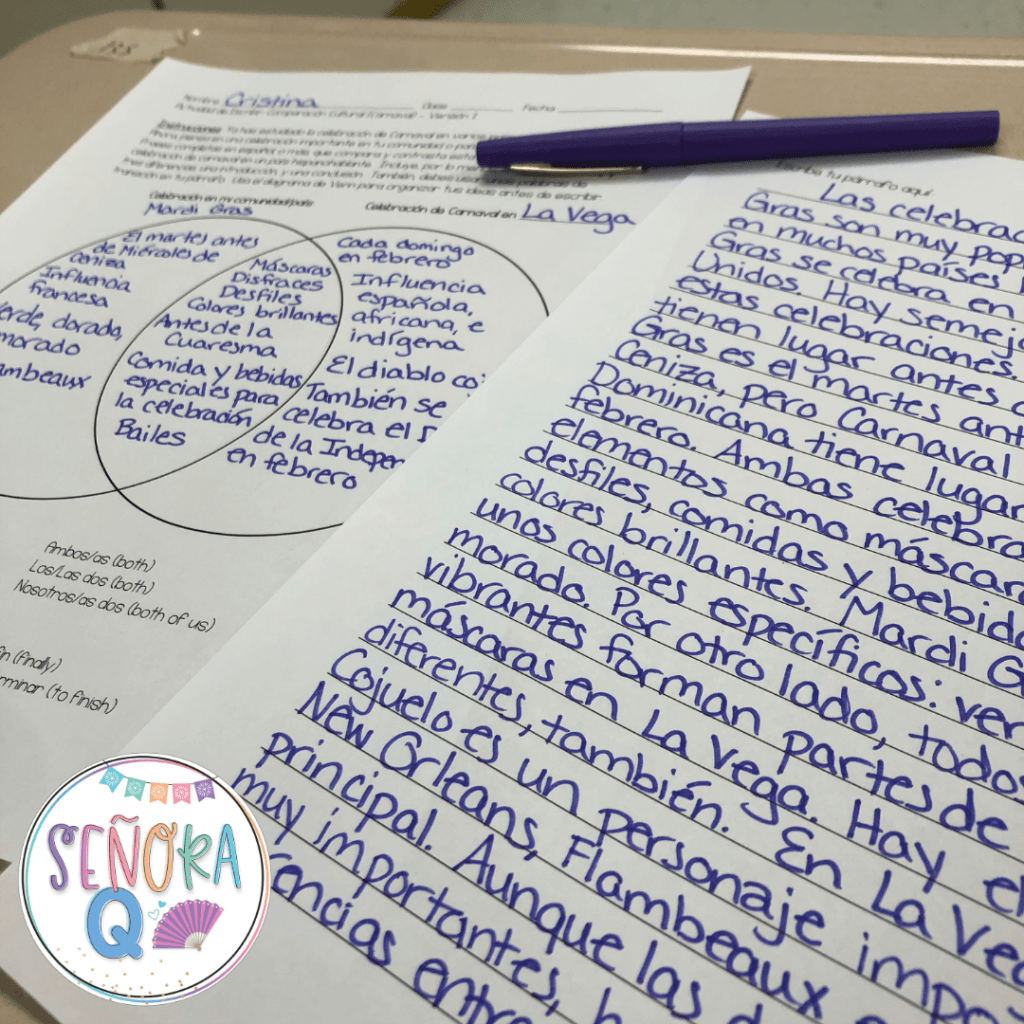
In lower-level classes, giving a two-minute presentational comparison could be quite daunting; students need to build up to that over a period of several years. But to start, students could complete a Venn diagram, write a short paragraph (~3 sentences), or give a 30-second presentation. As time goes by, you could increase the level of difficulty or length of these comparisons so that speaking for two minutes won’t seem as scary when they get to AP.
Final takeaway: It can seem daunting to try AP tasks with lower-level students. Believe me, I was SO skeptical when I first started, too. But I promise that, with the proper scaffolding and support, your students absolutely can do it!
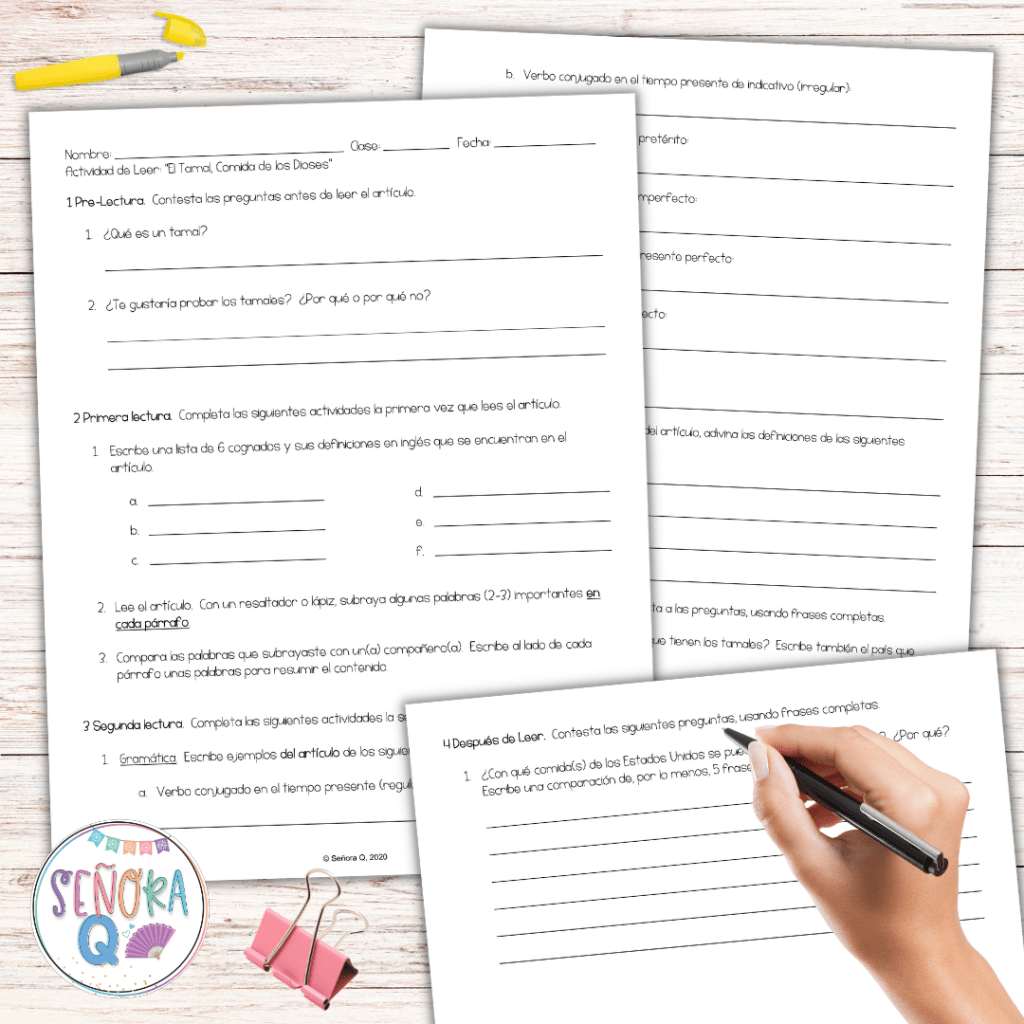
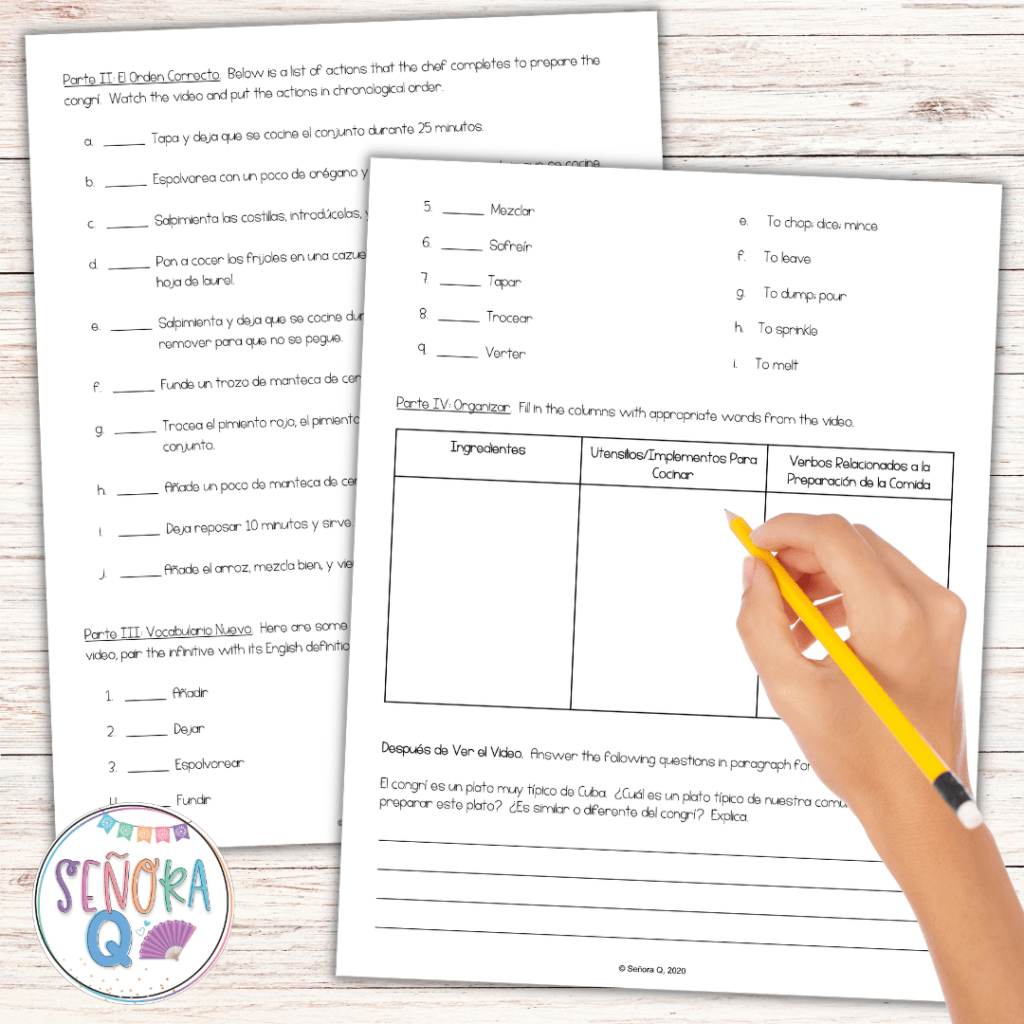
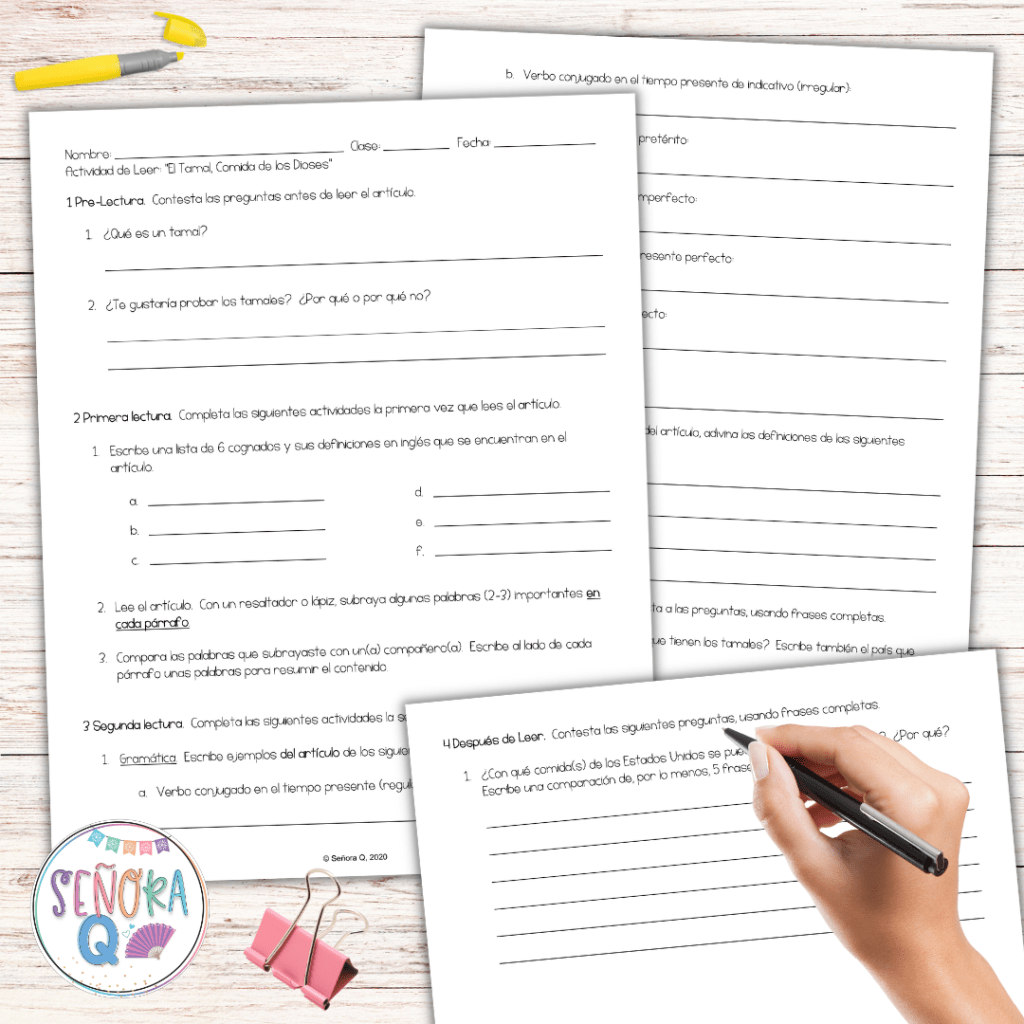
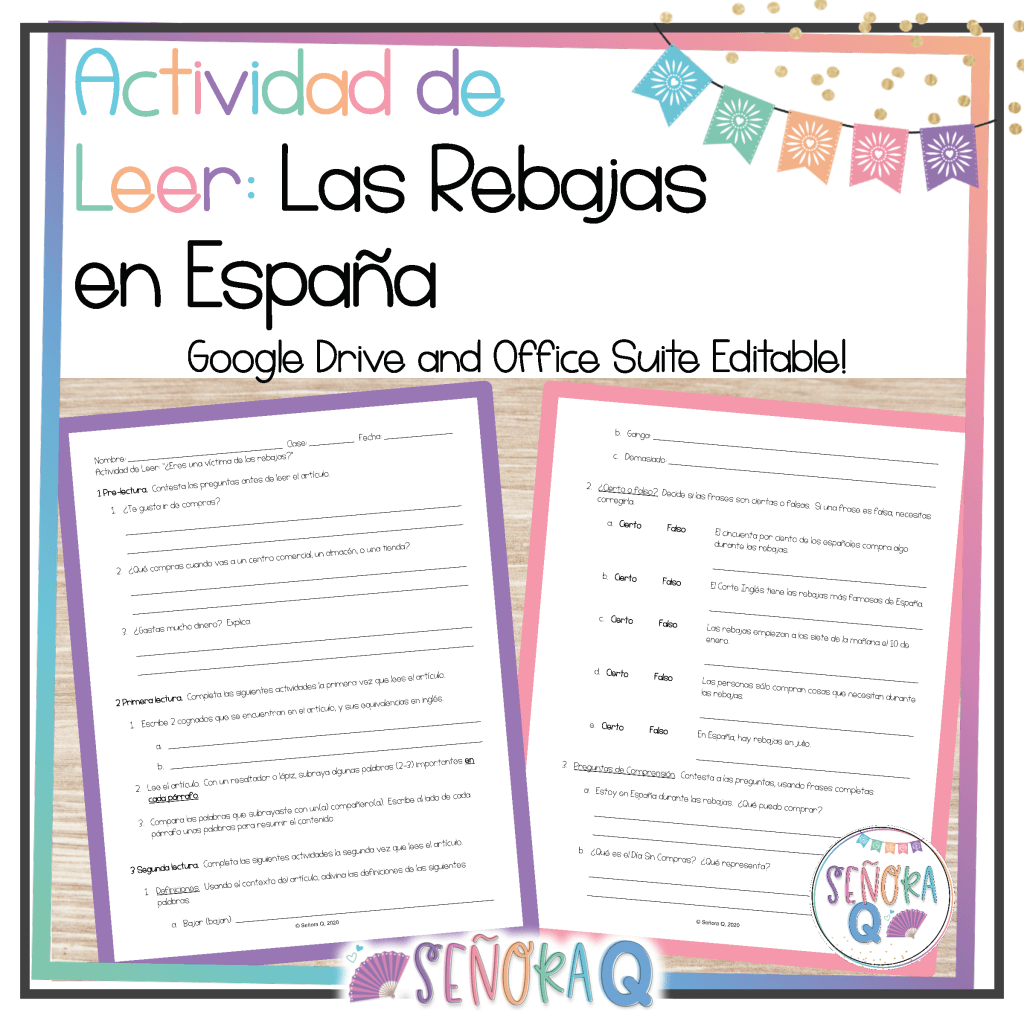
If you’re looking for activities that teach about cultural products, practices, and perspectives and allow for cultural comparisons, here are some of my favorites:
I hope this was helpful! Please feel free to leave me a comment or send me a message if you have any questions about getting started with the cultural comparison! Have a wonderful week, profes!
 Señora Q