

¡Hola profes! How are you doing? I can’t believe October is halfway over already. I hope you’ve had the opportunity this month to partake in your favorite fall activities!
This is week 4 in my series on how to introduce AP Spanish Language and Culture exam tasks to lower-level students. I firmly believe that preparing students for AP success begins in Spanish 1. The more students practice the tasks in the years leading up to AP, the more they’ll feel like second nature to students. They will know what to expect from the test, and what the test will expect from them.
In my last three posts, I talked about how to scaffold the email reply, how to scaffold the simulated conversation, and how to prepare students to interpret printed texts. This week, I wanted to share tips for preparing lower-level students for the interpretive listening section of the AP exam. On this section of the test, students have 55 minutes to respond to 35 multiple-choice questions. Some of the questions pertain to audio files alone, and some pertain to audios and printed texts together.
In lower-level classes, I have found it’s really helpful to regularly listen to comprehensible, but challenging, audios. While it may be our first instinct to provide our lower-level students with easier audios where they will know every single word, there isn’t any distracting background noise , and the speakers speak extra slowly and clearly, this isn’t going to benefit students in the long run. It would be very unlikely for students to encounter perfect audio sources on the AP exam. However, incorporating the following into your lower-level courses can help develop your students’ abilities to accurately interpret imperfect audios, and will increase your students’ confidence levels in their abilities as a result!
Here are some tips for developing students’ interpretive listening skills and helping to prepare them for that section of the AP exam:
#1: Listen to authentic audios whenever possible.
It’s never too early to get your students used to listening to native speakers. Audio files from textbook companies can give your students awesome practice with the topics of your curriculum. Definitely use them! However, adding authentic audio files, meaning audio files created by native Spanish speakers and meant for native Spanish speakers, is really going to benefit your students! These authentic audios can include interviews, news reports, podcasts, radio programs, and more. Less-than-perfect audios have their uses too – with regular practice, students can learn to tune out background noise and other imperfections in the audio files. This is not only great for AP exam prep, but also for helping your students understand Spanish they hear in real-life situations outside of the classroom!
So, where can you get these audio files? There are certain free websites out there, such as the University of Texas site and Spanish Listening that allow you to choose audios based on topic or students’ proficiency level, which is great! However, you can use more complex audios and modify the task you want your students to complete. For example, have your Spanish 1 students listen to a short news clip. How did the hosts greet each other? Did they mention the day or the date? You will likely be able to pick out something your students should understand. Focus on that!
#2: Expose your students to a variety of accents.
Spanish from Spain sounds different from Spanish from Mexico, Spanish from Cuba, or Spanish from Argentina. It’s important to practice listening to spoken Spanish featuring speakers from different Spanish-speaking countries so that students will learn to become proficient at understanding different accents! You never know where the audios used on the AP exam will come from, and so helping your students learn to understand numerous different accents will help set them up for success. These skills will also be useful when students have to use Spanish outside of the classroom!
If you’re looking for audios featuring native Spanish speakers from different countries, you can try these websites:
YouTube is also a great option – there are SO MANY videos to choose from!
#3: Have students complete a variety of activities to develop listening comprehension skills.
The AP exam has multiple-choice questions on the interpretive listening section, and so it’s definitely a good idea to get your students used to answering corresponding multiple-choice questions when they listen to an audio. However, there are other activities that students can complete which will aid in the development of their listening comprehension skills and will ultimately benefit them as they try to respond to multiple-choice questions:
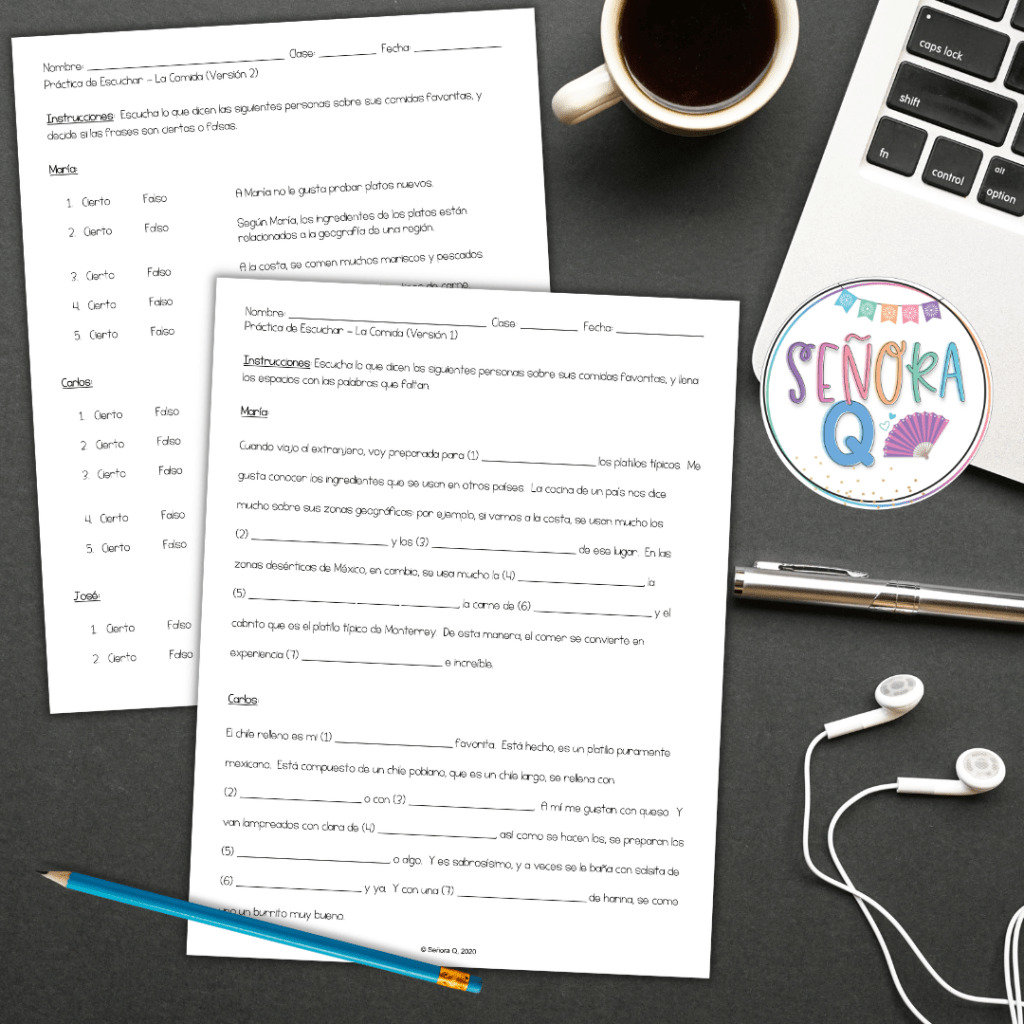
- Have students listen once or twice and make a list of the words they understand, then share with a partner.
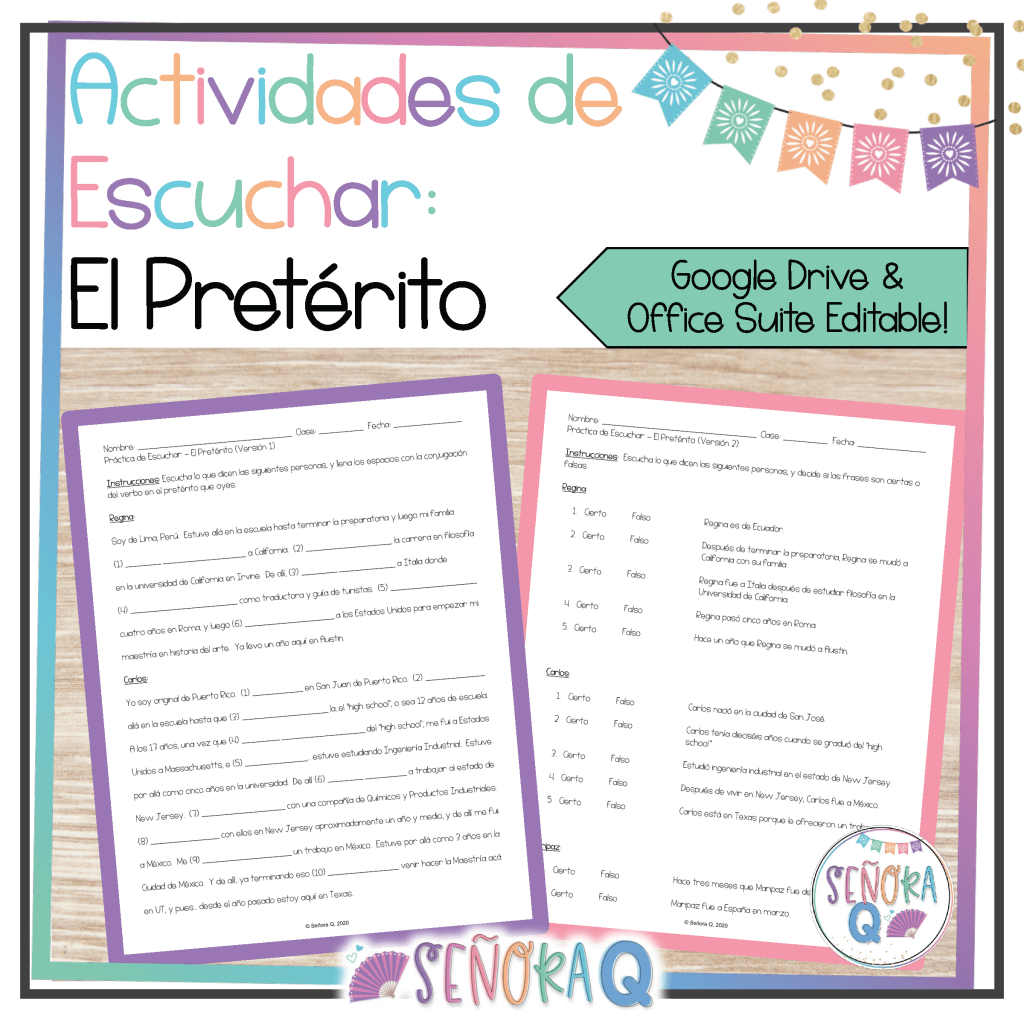
- Provide true/false questions (possible extension: correct the false statement)
- Have students fill in the blanks of the transcript with missing words
- Have students respond to open-ended comprehension questions
- Have students illustrate what they heard
- After listening a few times, ask students to give a one-sentence summary or the main idea of what they heard
These activities are great for lower-level students because they allow students numerous opportunities to show what they’ve learned and can build up their confidence levels. While answering multiple-choice questions is the ultimate goal, they can be unforgiving and can cause frustration. At first, I would recommend including other listening comprehension activities as well in order to allow students to find success and to feel better about listening to challenging, authentic audios!
Final takeaway: It can seem daunting to try authentic, challenging audios with lower-level students. Believe me, I was SO skeptical when I first started, too. But I promise that, with the proper scaffolding and support, your students absolutely can do it!
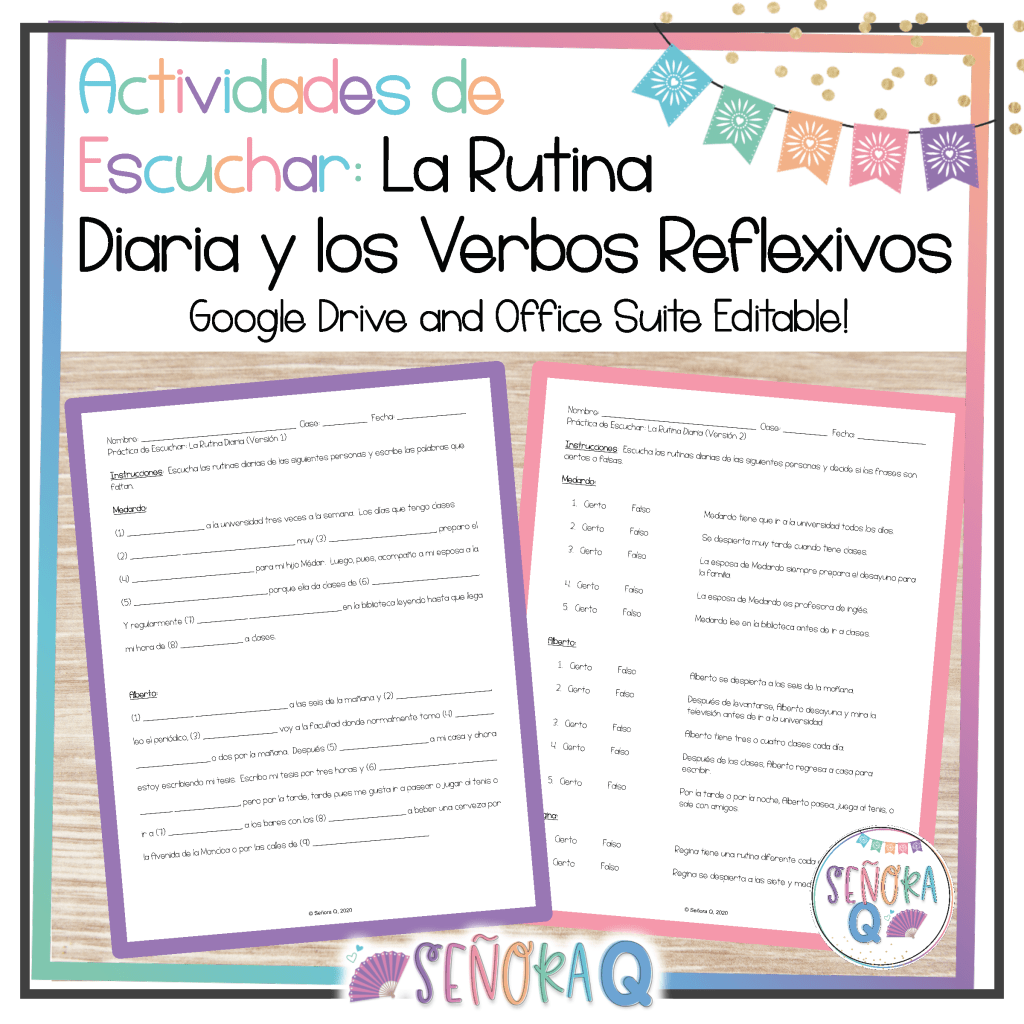
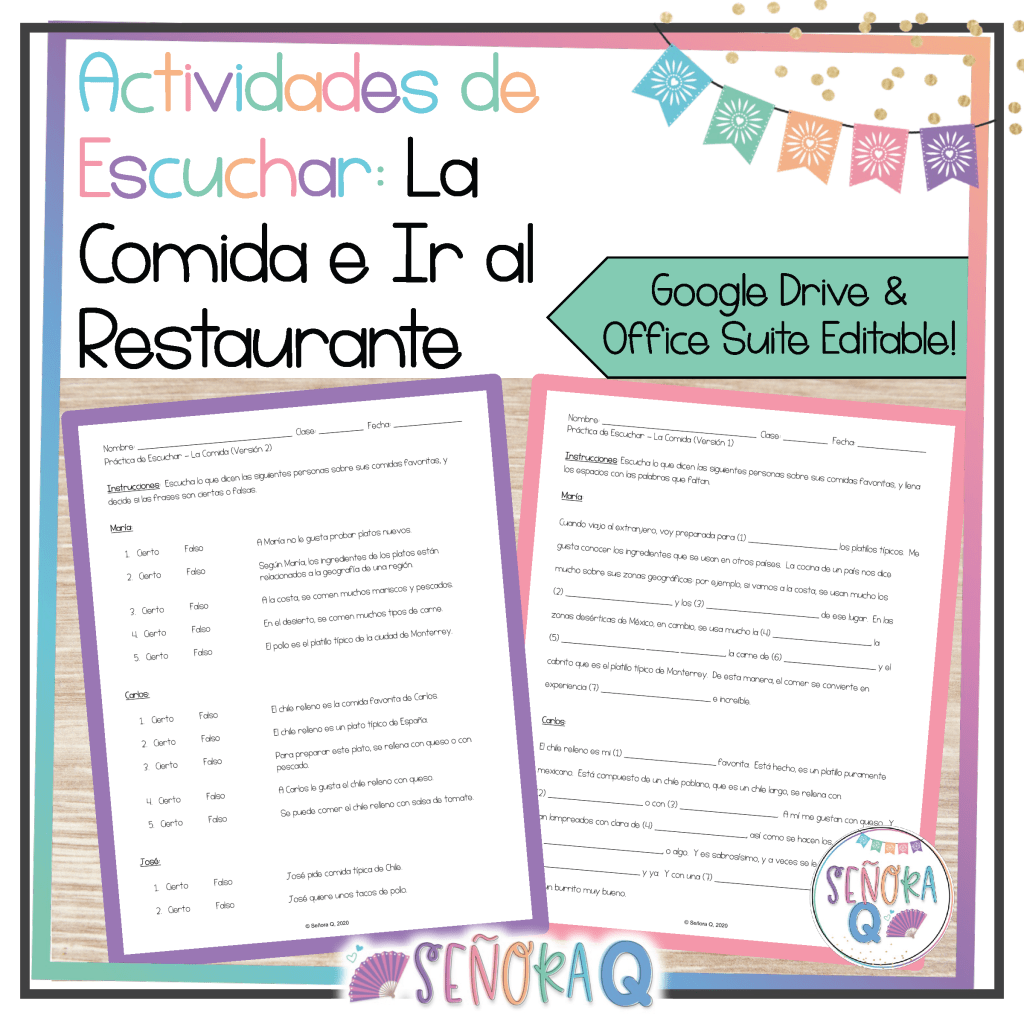
If you’re looking for audio sources (with corresponding comprehension activities!) that you can utilize in your lower-level classes, here are some of my favorites:


I hope this was helpful! Please feel free to leave me a comment or send me a message if you have any questions about getting started with preparing your students to interpret audio texts! Have a wonderful week, profe!
 Señora Q