



¡Hola profe! Hopefully, your summer break has started and you are enjoying some much needed rest and relaxation! If you’re not quite there yet, I’m with you – I’ve still got a few days to go this week. But we’ve got this!
This week, I wanted to talk about summer curriculum writing and revision. This is something that my colleagues and I participate in almost every year and I wanted to share some tips that I’ve learned over the years to help make this process as seamless and streamlined as possible!
Whether you are making updates and adjustments to your existing curriculum, adopting a brand new one, or writing your own, curriculum writing and revision can seem like a daunting prospect. The good news is that it doesn’t have to be! Here are tips that can help make your hard work over the summer as beneficial as possible for the upcoming school year:
#1: Think of your scope and sequence.
A scope and sequence is important for helping to guide you through what to teach, and in what time frame to do it. While we know that timelines often need to be adjusted based on our students’ needs, it is important that we know ahead of time what is coming next.
If you are adopting a curriculum from a publishing company, they likely will provide you with a sample scope and sequence for their materials. However, you know your students best and can tailor that scope and sequence to something that seems more appropriate for your classroom!
If you are writing your own curriculum, a scope and sequence should be the first document that you create. If possible, try to collaborate with your colleagues on this one, especially if you will be teaching the curriculum together in the next year! Here are some considerations when writing your scope and sequence:
- What prior knowledge is necessary for students to start each unit? What did they learn in previous units/courses? How much time should be spent activating and reviewing that prior knowledge?
- What concepts for each current unit will be necessary for student success in future units? What will you need to emphasize the most?
- How do you plan to address the modes of communication in the unit (interpretive, interpersonal, and presentational)? How much time will you need to do so?
- If time were to run out at the end of the year, what concepts would be LESS essential for students to know to succeed in the next level?
Perhaps you already know what concepts you’ll be teaching in your course – you’re updating your existing curriculum, or you’re writing a new one but you know what you’re expected to cover. That’s great! If so, you’ll then need to decide about how long it would take to teach, practice, and assess the material. Personally, I think 4-5 weeks is ideal for a unit because:
- Your students will have ample opportunities to practice the vocabulary/grammar/topics you’ve presented
- You will be able to assess your students at multiple times to gauge their progress
- You will have time to practice and assess in the 3 modes of communication (interpretive, interpersonal, and presentational)
Check out this blog post for a sample scope and sequence for one of my favorite units!
#2: If you are covering specific grammar concepts, plan to do so thematically.
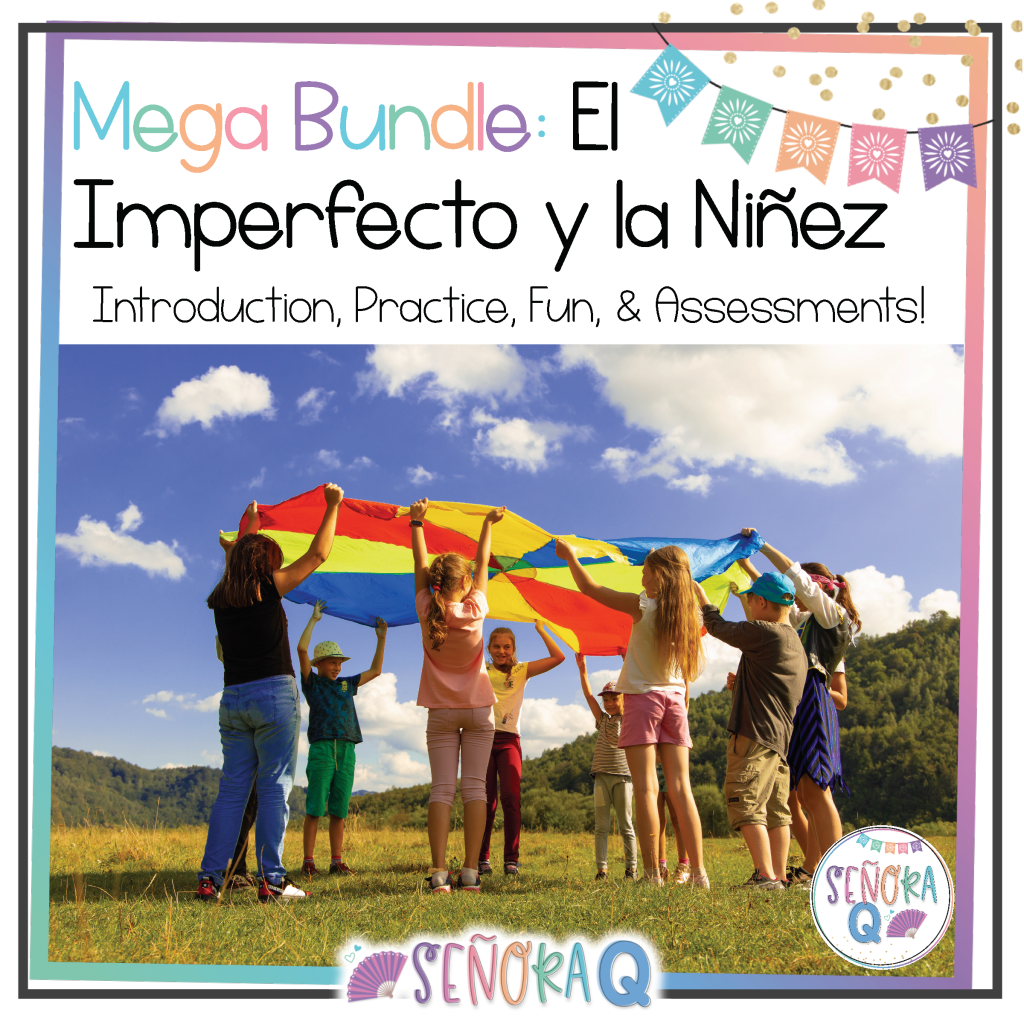
I know that explicitly teaching grammar in WL classrooms can be a controversial issue. Regardless of whether you choose to teach explicit grammar or are told that you must, there is a way to both teach grammar AND promote proficiency. For me, the key is to teach grammar thematically. How would students use these grammar concepts naturally in a real-world setting? For example, if you are going to teach commands, you could do so in conjunction with giving directions through your city or town, or by studying recipes. How about the imperfect? Have your students describe their childhoods. Provide students with the vocabulary they will need to use the grammar concepts in a more authentic setting.
To promote proficiency, have students listen to audios of native speakers using the grammar concepts in the same way. They could use their interpersonal skills and use the topics at hand in an email reply or a simulated conversation. These activities will allow students to not only practice and reinforce the grammar points, but will show you their abilities to use the language in scenarios that mimic real-world ones.
Interested in checking out some thematic units? Here are some of my favorites!


#3: Begin by creating your assessments.
Once you know what you’re going to be teaching and where it falls within your curriculum, the first materials you should create are your assessments. This is because:
- Your assessments will help you define your goals for your units – what do you want your students to be able to DO at the end?
- You can make sure your learning activities are aligned and will adequately prepare your students for success on the assessments.
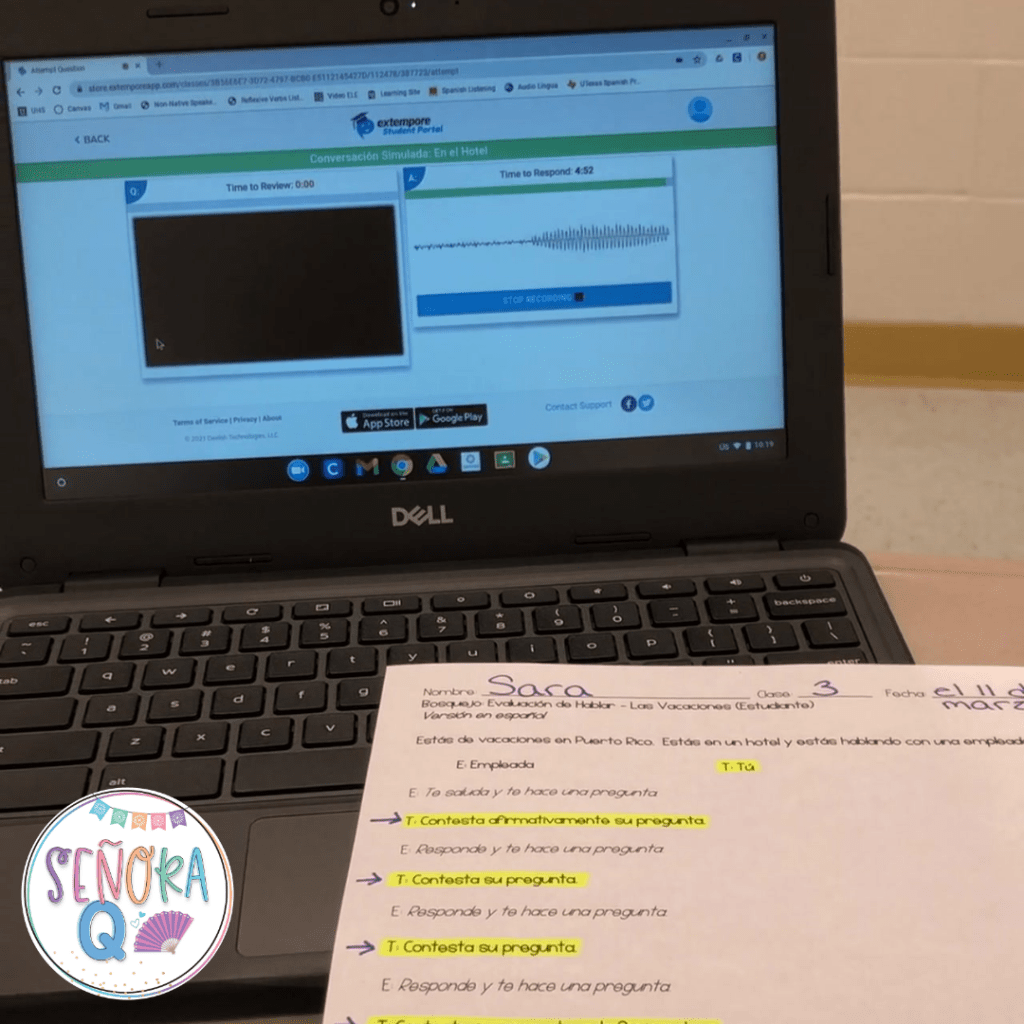
Your assessments might include traditional tests and quizzes, projects, oral presentations, email replies, simulated conversations, and interpretive reading or listening tasks. I recommend trying to include multiple forms of assessment at the end of your units, which will give your students the opportunity to show their skills in multiple ways.
Need some assessment inspiration? Check these out!




#4: Create an outline of your curriculum on your LMS.
Getting a head start on readying your LMS courses will save you so much time and stress once the school year starts! Set up your course the way you like with your home page, module organization, visibility settings, etc. Create shells for your units, and fill them in with any digital materials you have for those units!
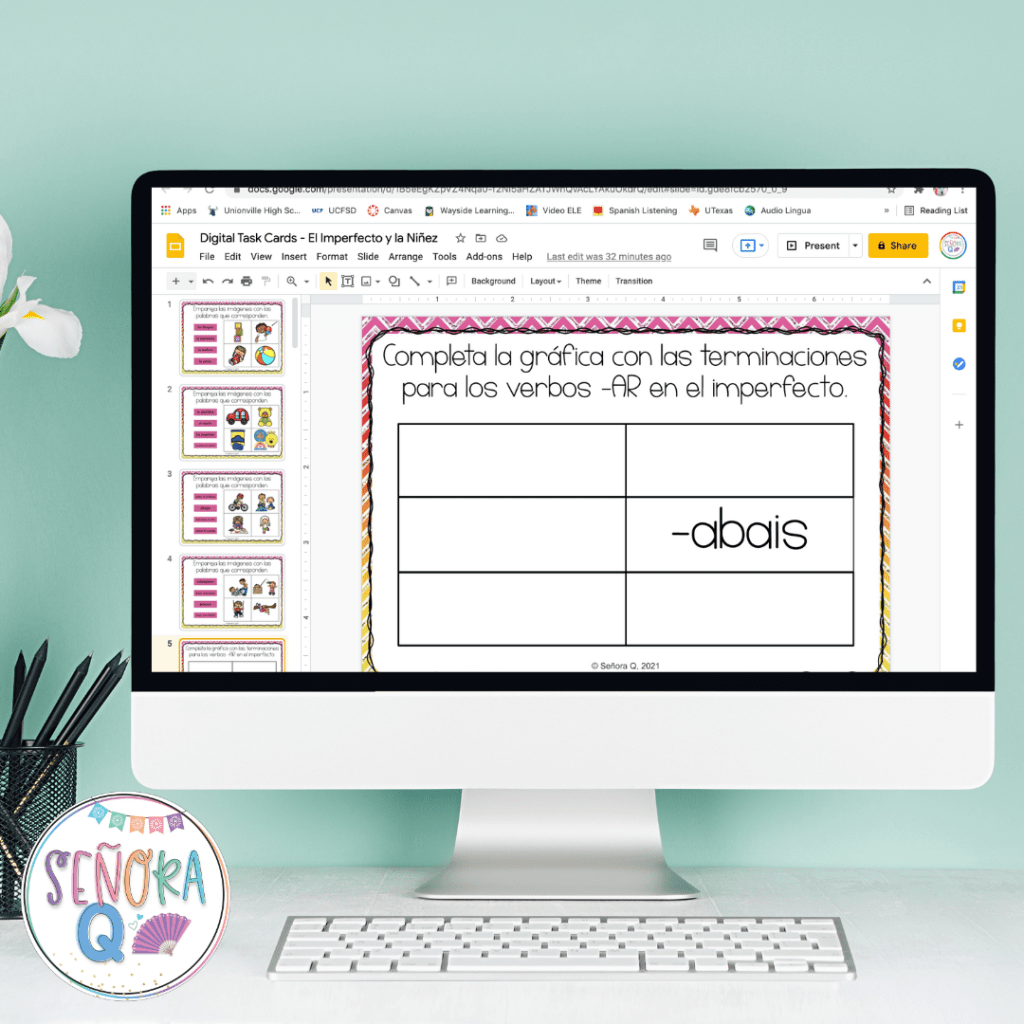
Don’t feel pressure to have your ENTIRE curriculum and materials on your LMS before the year starts – LMS courses are continually a work in progress. But if you have any digital materials ready, getting them organized on your LMS over the summer can help you avoid stress later!
Looking for digital-friendly materials? Here are some that might interest you!

I hope this was helpful! If you have any questions about curriculum writing, feel free to send me an email – I wrote my own curricula for many years and I know it can be a huge undertaking! Have a wonderful week, profe!
 Señora Q