

¡Hola profe! Has your summer break started yet? If not, hopefully you’ve only got a few days left! Whenever your summer begins, it is the perfect time for us as teachers to rest, recharge, and reset. I hope that you are planning to spend lots of time doing what you love!
Summer also provides us with time to take a step back and reflect on this past school year. Without having to worry about the added pressures of lesson planning, grading, parent communication, and other day-to-day responsibilities that go along with teaching, we can think about what went well, areas for improvement, and think about any corresponding changes we want to make in the fall. Here are my three favorite ways to reflect over the summer that help me get ready for a new school year.
#1: Think about classroom policies and procedures.
Reflect on the classroom rules and class procedures that you implemented this year. Did they help you maintain the most effective and focused learning environment possible? Was there anything about your rules or procedures that posed any challenges? If so, what adjustments could you make next year to address those difficulties? Jot down ideas over the summer, and make any additions as new ideas come to you!
I think cell phones and other electronic devices can pose a particular challenge. While technology can provide so many awesome educational opportunities for students, they can also be distracting for students and can keep them from fully engaging in class activities. How do you feel that technology use affected your students’ focus this past year?
Some other rules and procedures I like to reflect on are:
- Late work (was it accepted or not, was there any points deduction for late work, was there a point after which late would not be accepted at all, etc.)
- Test/quiz retakes and remediation (are retakes allowed and if so, do students retake the same assessment or a different version, can students fix their mistakes/improve upon their work instead to earn back points, etc.)
- Makeup work (how will students receive missing work, how long will students have to make up missed work, how do they make up missed assessments, etc.)
- Communication with families (how regularly are parents/guardians contacted, how are families kept up-to-date on what is happening in class, is a contact log needed, etc.)
If you’re not sure where to start, it can be helpful to look at your course syllabus and evaluate how each aspect worked for you! It can also help to remember that you don’t have to overhaul your whole system; sometimes small adjustments can make a huge difference in the way your classroom runs!
#2: Reflect on course curriculum and class activities.
What were the pros and cons of your course curriculum? How did it help your students learn and practice Spanish? In what ways could it have been better? If there are opportunities to do so, it can be beneficial to discuss these questions with your colleagues who teach the same levels as you. Collaborating with colleagues is a great way to get new ideas to improve any aspects of your curriculum that weren’t as effective as you’d like them to be!
I know that we don’t always have control over our curriculum – sometimes, we are told what we need to teach and even how we need to assess our students. There may be little we can do to change what we teach our students. However, we can control how we deliver that content in our classrooms. What learning activities were the most useful to you and your students this year? What activities need to be tweaked? Were there any that just didn’t work at all as you’d hoped? If so, what could you do differently if you were to do the activity again in the future?
Did you provide opportunities for your students to speak, listen to, read, and write in Spanish? Were the three modes of communication (interpretive, interpersonal, and presentational) included regularly into your lessons? If not, how might you add more next year?
Need some ideas for activities that will allow your students to use their Spanish skills more in class? Check out these blog posts for inspiration!
- Tips, Tricks, and Resources For Using Authentic Audios and Videos in Spanish Class
- Reading Strategies that Help Students Understand Texts – Without Direct Translation
- Writing Activities for Spanish Class
- 5 Websites and Apps You Can Use to Assess Your Spanish Students’ Speaking Proficiency
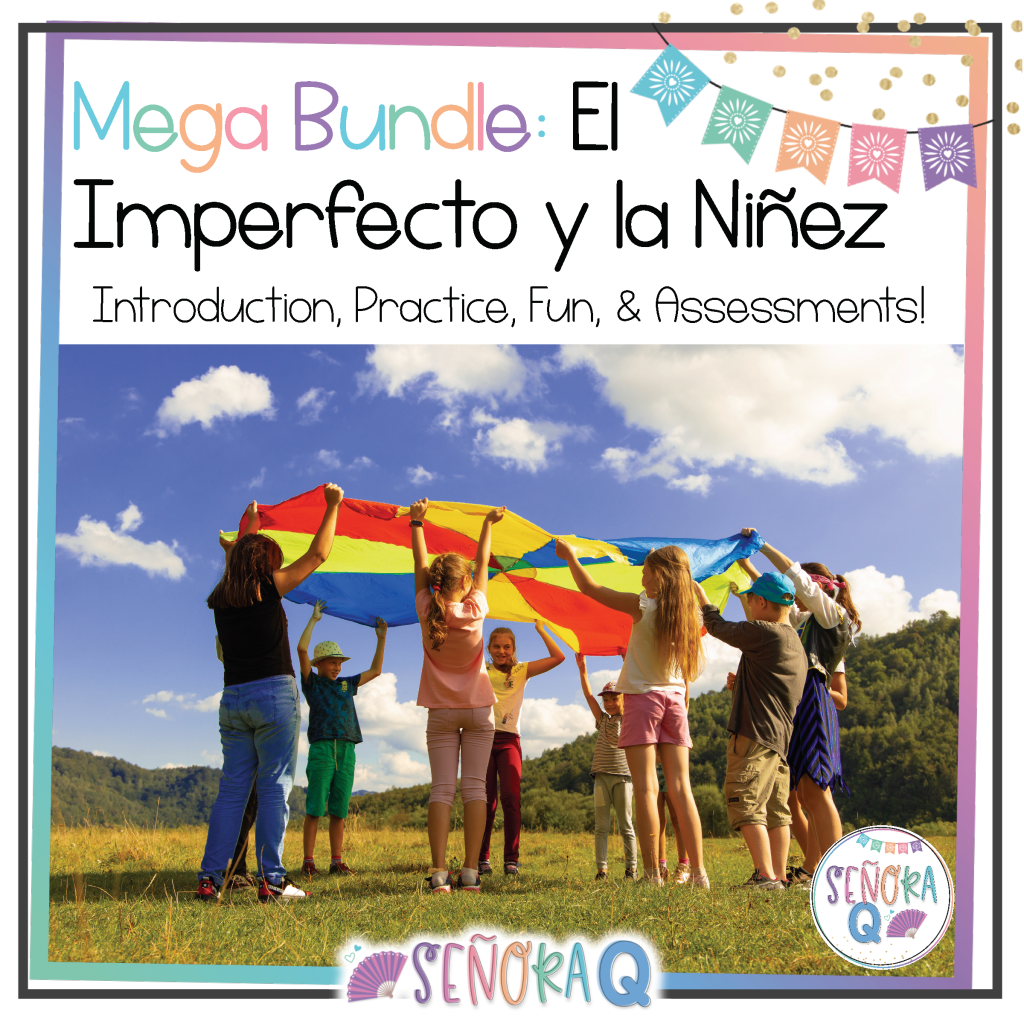
If you had no curriculum to work with this year (or if your curriculum really left a lot to be desired), I can help! Here are some complete, ready-to-use units packed with resources to save you time and energy and to keep your students engaged!


#3: Look at feedback from others.
Over the course of the school year, we receive feedback about our classes from a variety of different people, including administrators, instructional coaches, mentors, colleagues, and students. During the summer, when we are able to look more objectively at how the school year went, looking at this feedback can give us suggestions for how we can create the most effective and engaging learning environment possible for our students. Here are some feedback sources that you may want to review over the summer:
- Feedback from peers. Did your colleagues observe your classes at any point this year? If so, what did they have to say? I have found that my colleagues have the BEST suggestions of anyone that I ask. If they didn’t offer you ideas at the time of the observation, you can always reach out and ask for some!
- Feedback from administrators. What did your administrators say about your lessons during formal observations and walk-throughs/drop-ins? What positives did they notice? Did they offer any constructive criticism or suggestions for improvement?
- Feedback from students. I like to have my students fill out a survey at the end of the year in which I ask about what they liked and didn’t like about the course, what activities were their favorites, which activities helped them learn the most, and if they have any suggestions for the next year. I allow students to answer anonymously if they prefer. Some of your students will surprise you by how insightfully they respond!
Now, I absolutely do NOT recommend taking feedback from just anyone. If the person providing feedback is not an educator, is not knowledgeable of your content area(s), and/or has not seen you teach in your classroom, take their advice with a grain of salt. 🙂
I hope this was helpful! If you’re still teaching this week like me, we’re almost there! We’ve got this! Have a wonderful week, profes!
 Señora Q